Equine Colic Surgery: What to Expect, Recovery Timeline, Costs & Long-Term Care
By FarmVetGuide Editorial Team · Published May 2026 · Updated March 2026 · Based on verified data from our directory of 9,500+ practices
The phone call every horse owner dreads: your veterinarian has examined your horse and uttered the words, "I think we need to refer him to surgery." Equine colic surgery ranks among the most emotionally and financially challenging events in a horse owner's life. Within minutes, you must decide whether to pursue an expensive, uncertain procedure — often without time for research or a second opinion.
This guide walks you through everything you need to understand about equine colic surgery: the types of procedures performed, how surgeons make the decision to operate, what happens in the operating room, what the recovery timeline actually looks like, realistic costs, long-term care requirements, and the prognosis data that will help you make an informed decision for your horse.
Understanding Why Colic Leads to Surgery
Colic is not a single disease — it is a symptom of abdominal pain. The vast majority of colic episodes (roughly 90–95%) resolve with medical management: pain medication, fluids, walking, and time. However, a subset of colic cases involves physical obstructions or twists that cannot resolve without surgical intervention. Identifying which horses need surgery quickly is critical, because time is the enemy in surgical colic cases.
When the gut twists or becomes obstructed, blood supply to the intestinal wall is compromised. Within hours, tissue death (ischemia) begins. Dead bowel cannot be saved — it must be removed. The longer surgery is delayed once the decision is made, the more bowel may be lost, the higher the complication rate, and the worse the prognosis. This is why your veterinarian may be pushing hard for an immediate referral even before you feel fully ready to decide.
Medical vs. Surgical Colic — How Your Vet Decides
Field veterinarians use a combination of findings to determine surgical candidacy. No single test is definitive, but the following factors collectively paint the picture:
- Pain response to analgesics: Horses whose pain is uncontrolled or returns rapidly after appropriate doses of flunixin meglumine (Banamine) and/or detomidine are more likely to be surgical candidates.
- Heart rate trends: A resting heart rate persistently above 52–60 beats per minute despite pain control is a red flag. Heart rates above 80 bpm suggest cardiovascular compromise.
- Peritoneal fluid analysis: Abdominocentesis (belly tap) samples fluid from the abdominal cavity. Serosanguineous (bloody) fluid, elevated protein, or elevated white cell counts indicate compromised bowel.
- Nasogastric reflux: Gastric reflux exceeding 2–4 liters suggests a small intestinal obstruction, which is almost always surgical.
- Rectal examination findings: Palpable displaced or distended bowel loops, taut mesentery, or sand accumulation give direct anatomical information.
- Ultrasonography: Distended small intestine (diameter over 5 cm), lack of motility, or free fluid in unexpected locations supports a surgical diagnosis.
- Packed cell volume and total protein: Rising PCV indicates dehydration and fluid shifts into the gut wall; falling total protein indicates protein loss through compromised intestinal wall.
- Lactate levels: Point-of-care lactate measurement is increasingly used. Serum lactate above 6–8 mmol/L correlates with worse outcomes and supports urgency of surgery.
When multiple findings align — uncontrolled pain, tachycardia, abnormal peritoneal fluid, and rectal findings — your vet will have high confidence that surgery is necessary. The conversation will likely happen quickly, in a barn aisle or a trailer, with limited time to deliberate.
Types of Equine Colic Surgery
Not all colic surgeries are the same. The procedure performed depends entirely on what the surgeon finds when the abdomen is opened. Owners who understand the major categories are better prepared for the surgeon's post-operative report and the prognosis conversation.
Exploratory Laparotomy
Nearly all equine colic surgeries begin as an exploratory laparotomy — a midline incision through the horse's abdomen while the horse is under general anesthesia and positioned on its back (dorsal recumbency). The surgeon manually explores the entire gastrointestinal tract, moving systematically from the stomach through the small intestine, cecum, large colon, small colon, and rectum. The specific corrective procedure then depends on what is found.
Correction of Large Colon Displacement
The large colon of the horse is a massive, unfixed structure roughly 10–12 feet long arranged in four interconnected segments. Because it is not firmly attached to the abdominal wall along its entire length, it is prone to displacement and entrapment.
Right dorsal displacement (nephrosplenic entrapment): The left colon becomes entrapped over the nephrosplenic ligament that runs between the left kidney and spleen. Some cases can be corrected non-surgically by rolling the horse under general anesthesia (the "Nashville roll") or by phenylephrine administration to shrink the spleen. Those that fail conservative management require surgical correction, which usually involves manually lifting the colon back to its normal position — a procedure that is technically demanding but often straightforward if the bowel is viable. Prognosis for this type is excellent (85–95% survival to discharge).
Left dorsal displacement: The colon displaces to the left side of the abdomen. Correction involves manual repositioning. Prognosis is similarly good when no strangulation has occurred.
Large colon volvulus (torsion): This is the most severe large colon problem. The colon twists on its mesenteric axis, cutting off blood supply to a massive section of bowel. Volvulus is a true emergency; without surgery within hours, the colon becomes irreversibly necrotic. Even with rapid surgery, survival rates for large colon volvulus range from 50–75%.[1] If more than 75% of the large colon is affected, surgeons may elect to perform large colon resection or, in some cases, advise euthanasia on the table.
Enterotomy
An enterotomy is an incision into the intestine to remove an obstruction without removing bowel tissue itself. This procedure is performed when the gut is obstructed but the bowel wall is still viable (healthy, pink, with good blood supply).
Small colon enterotomy: The most common indication is a fecalith (impacted mass of digested feed) or foreign body lodged in the small colon. The surgeon makes a controlled incision adjacent to the obstruction, removes the material, and closes the intestine in two layers. Prognosis is generally good (80–90% survival) when the bowel is healthy and no rupture has occurred.
Large colon enterotomy (cecal enterotomy or pelvic flexure enterotomy): Sand or feed impactions of the large colon that do not respond to medical treatment (mineral oil, magnesium sulfate, IV fluids, Epsom salts) may require surgical evacuation. The pelvic flexure — a hairpin bend in the large colon — is the most common site. The surgeon makes an incision, evacuates the impacted material (often working with a garden hose to flush sand), and closes the incision. These surgeries are generally straightforward with good prognoses.
Resection and Anastomosis
When bowel is non-viable — necrotic, grossly distended beyond recovery, or perforated — the affected segment must be surgically removed and the two healthy ends reconnected. This procedure is called resection and anastomosis (R&A), and it is the highest-risk colic surgery category.
Small intestinal resection and anastomosis: Small intestinal strangulating lesions include strangulating lipomas (fatty tumors wrapped around the small intestine), epiploic foramen entrapment, small intestinal volvulus, and incarceration through mesenteric tears. These are common in older horses (strangulating lipomas peak in horses over 15). The surgeon removes the necrotic segment and reconnects the ends. The amount of small intestine removed determines the prognosis dramatically — horses can tolerate moderate resections, but removal of more than 50–70% of the small intestine leads to malabsorption and poor long-term quality of life. Overall survival for small intestinal R&A ranges from 50–70%.[2]
Large colon resection: Performed when large colon volvulus has caused irreversible necrosis of one or more segments. Because the large colon serves as the primary fermentation chamber, removing large portions significantly affects the horse's ability to digest forage. Surgeons must weigh viability of the horse against quality of life after extensive resection.
Cecal resection (typhlectomy): The cecum can become impacted or can undergo rupture in severe cases. Partial or complete removal of the cecum is possible but significantly affects the horse's digestive capacity. Prognosis depends heavily on what led to the cecal problem.
Before Surgery: Preparation and Referral Transport
Once the decision is made to refer, time matters. Here is what happens in the hours between the field decision and the first surgical incision.
Stabilization Before Transport
Your field veterinarian will typically administer IV fluids to stabilize blood pressure and hydration, pain medications to keep the horse manageable during transport, and potentially nasogastric intubation to decompress the stomach if gastric reflux is present. A horse that is violently painful is dangerous to transport and may injure itself — getting pain under control before loading is essential.
Trailer Transport to the Referral Hospital
Drive steadily and avoid sudden stops. Alert the hospital that you are en route with your estimated arrival time. Most equine surgical centers will have the operating room being prepared before you arrive if your vet has called ahead. Do not stop for fuel unless absolutely necessary — every minute counts in strangulating lesions.
Hospital Admission and Pre-Op Preparation
Upon arrival, the surgical team will:
- Reassess the horse's cardiovascular status (heart rate, mucous membrane color, capillary refill time)
- Establish IV access (jugular catheter if not already placed)
- Run rapid bloodwork: PCV/TP, blood gas, lactate, electrolytes
- Begin aggressive IV fluid therapy
- Perform nasogastric intubation to decompress the stomach
- Obtain your signed consent for surgery and anesthesia
- Review financial expectations and deposit requirements
You will be asked to sign a surgical consent form that outlines known risks of equine general anesthesia and surgery, including death on the table. This is standard — equine general anesthesia carries a mortality rate of approximately 1 in 100 to 1 in 500 depending on the procedure and the horse's pre-surgical condition, compared to roughly 1 in 10,000 for healthy horses undergoing elective procedures. Sick horses undergoing emergency surgery carry higher anesthetic risk.
The Surgery: What Happens in the Operating Room
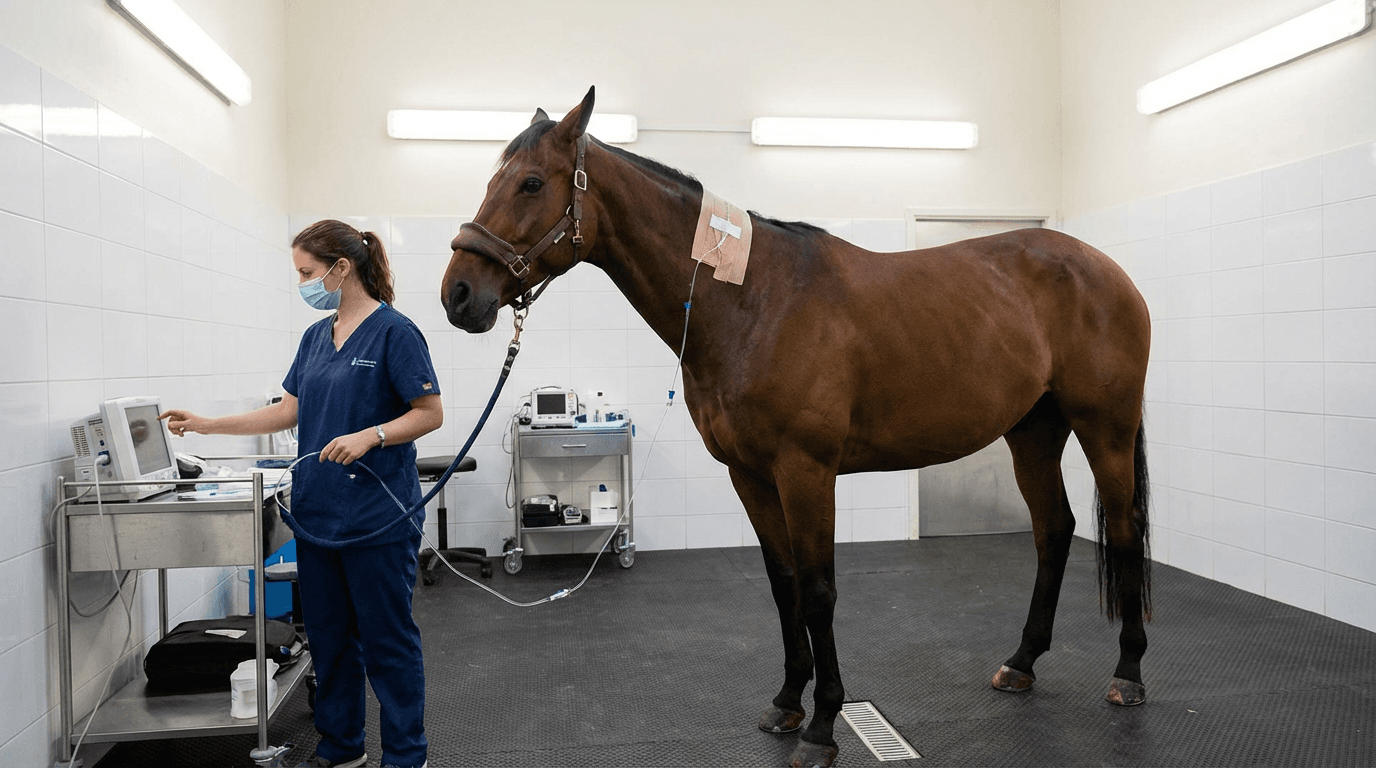
Equine surgery requires specialized facilities. The horse is induced into anesthesia in a padded induction stall, allowed to go down safely, and then positioned on a specialized surgery table (dorsal recumbency for most colic surgeries). The abdomen is clipped and scrubbed. A surgical team of two to four people — typically a primary surgeon, an assistant, an anesthesiologist, and a scrub tech — performs the procedure.
Surgical times vary significantly. A relatively simple correction (nephrosplenic entrapment, pelvic flexure impaction) may take 45–90 minutes. Small intestinal R&A for a strangulating lipoma may take 2–3 hours. Large colon volvulus with extensive necrosis can require 3–4+ hours. Throughout, the anesthesiologist maintains the horse's blood pressure, oxygenation, and anesthetic depth — the longer the procedure, the higher the anesthetic risk.
At some point during surgery, the surgeon may call you or have a staff member contact you with a preliminary report. This may include news that the situation is more or less severe than expected, that resection is necessary, that the prognosis appears better or worse than anticipated, or — in the worst cases — a recommendation for euthanasia on the table due to non-survivable lesions. It is emotionally difficult to receive this call, but clear communication at this stage allows you to be involved in the decision-making process.
Equine Colic Surgery Costs: A Detailed Breakdown
Cost is unavoidable in the surgical colic conversation. Equine surgery is expensive by necessity: it requires highly specialized facilities, extensive staffing, controlled substances, and sophisticated equipment. Understanding the cost components helps you budget and make financial decisions without being blindsided.
| Cost Category | Typical Range | Notes |
|---|---|---|
| Emergency referral exam and stabilization | $300–$800 | Field vet work before transport |
| Hospital admission and pre-op workup | $500–$1,200 | Bloodwork, catheter, nasogastric tube |
| Anesthesia | $1,000–$2,500 | Scales with duration |
| Surgery — simple correction (displacement, impaction) | $2,500–$5,000 | No bowel resection needed |
| Surgery — enterotomy | $3,500–$6,500 | Bowel incision and closure |
| Surgery — small intestinal R&A | $5,000–$10,000 | Resection and reconnection |
| Surgery — large colon volvulus | $5,500–$12,000 | Higher if partial resection needed |
| ICU hospitalization (per day) | $800–$1,800 | Fluids, medications, monitoring |
| Total for straightforward case (4–7 days hospitalization) | $5,000–$10,000 | Medical management, simple surgery |
| Total for complex case (7–14 days hospitalization) | $10,000–$20,000 | R&A, complications, extended ICU |
| Total for severe case with complications | $15,000–$30,000+ | Post-op laminitis, adhesions, second surgery |
Most equine hospitals require a deposit of $5,000–$10,000 before surgery begins. They understand that owners may not have instant access to this amount and may work with payment plans or accept CareCredit. Call your bank or access your emergency fund before transport if possible — having your financial situation partially sorted reduces stress at the hospital.
Equine Surgery Insurance: Is Your Horse Covered?
Major medical insurance for horses typically covers colic surgery if the policy was purchased before the event. Standard major medical policies cover 50–100% of covered expenses after a deductible ($250–$1,000 typically), up to the policy limit (commonly $7,500–$15,000). Some policies have a surgical sub-limit lower than the overall major medical limit.
If you do not have major medical coverage, mortality-only insurance will not cover surgical costs — it only pays the insured value of the horse if the horse dies. This is a critical distinction many owners discover too late.
Steps to take if your horse is insured:
- Call your insurance company before surgery if time permits — some require prior authorization
- If surgery must happen immediately, call as soon as possible and document that you called
- Save all invoices, surgical reports, and discharge records
- Submit a claim within the timeframe specified in your policy (typically 30–90 days)
For uninsured horses, the decision to pursue surgery is a personal financial one. There is no right answer, and veterinarians are not in a position to judge your choice. Honest conversations with the surgeon about realistic prognosis and survival probabilities can help you make a decision that aligns with both your financial situation and your commitment to your horse's quality of life.
Post-Surgical ICU Recovery: The First 72 Hours
The first 72 hours after equine colic surgery are the most critical. Most life-threatening complications emerge in this window, and the horse requires intensive monitoring and supportive care.
Immediate Post-Anesthetic Recovery
Recovering a 1,000-pound horse from general anesthesia is itself a skilled procedure. Most hospitals use padded recovery stalls and have staff present to help the horse stand safely on its first attempts. Horses may take 30–90 minutes to reach a standing position. Occasionally, horses require assistance standing (recovery ropes, slings) to prevent self-injury. The recovery team watches for anesthetic complications, cardiac arrhythmias, and hypoxia in the immediate post-op period.
Day 1: ICU Monitoring
In the first 24 hours, the equine ICU team will:
- Monitor vital signs (temperature, pulse, respiration) every 2–4 hours
- Maintain IV fluid therapy at high rates to support blood pressure and perfusion
- Administer IV antibiotics (typically penicillin + gentamicin or enrofloxacin)
- Administer flunixin meglumine (Banamine) for anti-inflammatory and analgesic effects
- Monitor for nasogastric reflux (a sign of ileus — failure of the gut to resume motility)
- Walk the horse every 1–2 hours to stimulate gut motility
- Assess incision site for signs of drainage or dehiscence
Gut sounds are assessed frequently with a stethoscope. The return of borborygmi (gut sounds) is an encouraging sign that intestinal motility is resuming. Many horses have reduced or absent gut sounds for 12–48 hours post-surgery — this is expected. Persistent absence beyond 48 hours, or reflux volumes exceeding 4–8 liters, suggests post-operative ileus, a significant complication.[4]
Days 2–3: Transition Period
If the horse is passing manure and gut sounds are present, the team will begin oral intake — typically small amounts of water initially, then progression to hay depending on the type of surgery performed. Pain scores are assessed multiple times daily. Horses with uncontrolled post-operative pain may require additional analgesic modalities (lidocaine CRI, butorphanol, alpha-2 agonists).
Blood work is typically repeated on days 2–3 to assess white blood cell count (watching for infection), protein levels (watching for hypoalbuminemia from protein loss), and kidney values (watching for gentamicin toxicity if used).
Post-Surgical Complications: Know What to Watch For
Complications after equine colic surgery are common. Understanding them helps you recognize warning signs both in the hospital and after discharge.
Post-Operative Ileus (POI)
POI is failure of the small intestine to resume normal motility after surgery. It is the most common complication after small intestinal surgery, occurring in 20–40% of cases. Signs include persistent nasogastric reflux, abdominal distension, and absent gut sounds. Treatment involves continuous IV fluid therapy, prokinetic drugs (neostigmine, metoclopramide, lidocaine IV infusion), and pain management. POI extends hospitalization significantly and worsens prognosis — horses that fail to resolve POI within 5–7 days face a grave prognosis.
Endotoxemia and Septic Shock
When bowel wall integrity is compromised, bacterial toxins (endotoxins) enter the systemic circulation. Signs include fever (or paradoxically, subnormal temperature), injected (reddened) or muddy mucous membranes, a toxic line on the gums, rapid deterioration in cardiovascular status, and extreme pain. Aggressive plasma transfusions, polymyxin B, DMSO, and supportive care are used but outcomes in severe endotoxemia are guarded.
Laminitis (Founder)
Endotoxin-induced laminitis is a feared complication of severe colic surgery. The lamellar tissue within the hooves becomes inflamed and may necrotize, leading to rotation or sinking of the coffin bone. Prevention focuses on aggressive cryotherapy (ice boots applied to all four feet from the moment of surgery through the first 72 hours) and controlling the underlying endotoxemia. Despite preventive measures, severe laminitis develops in 10–20% of horses with endotoxemia after colic surgery and can be career-ending or life-limiting.[3]
Incisional Complications
The ventral midline incision is under significant tension from the horse's abdominal contents. Incisional complications include:
- Seroma: Fluid accumulation under the incision — common, usually self-resolving
- Incisional infection: Signs include heat, swelling, discharge, and pain at the incision site
- Incisional hernia: Failure of the body wall to heal, resulting in abdominal contents bulging under the skin — requires surgical repair
- Incisional dehiscence (evisceration): Catastrophic failure of the incision with bowel exiting — rare but requires immediate emergency intervention
Adhesion Formation
Post-surgical adhesions — fibrous bands that form between intestinal loops or between intestine and the body wall — are a significant long-term concern after small intestinal surgery. Adhesions can cause recurrent colic episodes months to years after surgery by creating new obstruction points. Prevention strategies include omentectomy, anti-adhesion fluids flushed into the abdomen at surgery closure, and early return to motility (feeding and walking). Despite these measures, clinically significant adhesions develop in 5–15% of horses after small intestinal surgery and are a leading cause of post-surgical colic recurrence.
Discharge and Home Recovery: Phases and Timeline
Most uncomplicated colic surgery horses are discharged 5–10 days post-operatively.[4] Complex cases with complications may require 2–4 weeks of hospitalization. When your horse finally comes home, the real recovery work begins — and it requires patience, discipline, and careful attention.
What to Expect at Discharge
The hospital will provide detailed written instructions. Generally expect:
- A prescribed feeding regimen with specific hay types and amounts
- Oral medications (antibiotics, anti-inflammatories, possibly omeprazole for gastric ulcer prevention)
- Wound care instructions for the incision site
- A hand-walking schedule
- Clear criteria for when to call your veterinarian
- A follow-up appointment schedule (typically 2 weeks and 30 days post-surgery)
Phase 1: Weeks 1–2 at Home
The horse must be in strict stall rest. No turnout, no grazing, no self-exercise. The incision is healing in its early proliferative phase — the skin may look closed but the body wall beneath is still fragile. Hand-walking for 10–15 minutes 2–3 times daily is typically recommended to maintain gut motility and prevent muscle stiffness without putting stress on the incision.
During this phase, monitor the incision twice daily: look for swelling, heat, redness, discharge, or bulging. Take the horse's temperature daily — a temperature above 101.5°F (38.6°C) warrants a call to your vet. Monitor manure production (frequency, consistency, volume), gut sounds (use a stethoscope), and appetite.
Phase 2: Weeks 3–4
If healing is progressing well, hand-walking time is typically extended to 20–30 minutes per session. Small paddock turnout may begin (depending on surgeon's guidance) in a very small, flat area where the horse cannot run or buck. The incision should be visibly closing and the initial swelling resolving.
Diet continues to be controlled. Rich grass, grain, and concentrates are generally avoided during this period to minimize fermentation load on healing intestine.
Phase 3: Weeks 5–8
Gradual return to turnout begins. Many surgeons recommend progression to a small paddock for 1–2 hours initially, increasing to half-day turnout by week 6–8. The horse may begin light work under saddle — typically walking only — if the incision has healed completely and there is no evidence of hernia formation.
Phase 4: Months 2–6
Full return to work typically requires 3–6 months for most horses.[5] Horses that had small intestinal R&A may need longer than those who had simple displacements corrected. Your veterinarian will assess the incision for hernia development at follow-up appointments and provide a return-to-work timeline individualized to your horse's recovery.
Feeding Restrictions: A Timeline
| Time Post-Surgery | Feeding Guideline | Rationale |
|---|---|---|
| Hours 0–12 | Nothing by mouth (hospital) | Gut motility assessment, anesthesia safety |
| Hours 12–24 | Small amounts of water (hospital) | Test for reflux return |
| Days 1–3 | Small handfuls of quality grass hay, increased as tolerated | Stimulate motility, minimize fermentation |
| Days 3–7 | Free-choice grass hay, limited (2–4 lbs 3–4x/day) | Support motility while controlling gas production |
| Weeks 1–4 at home | Grass hay only, no grain, no legume hay | Protect healing intestine from excess fermentation |
| Weeks 4–8 | Gradually reintroduce small grain rations if needed | Slow return to pre-surgery diet |
| Month 2+ | Return to normal diet if GI function confirmed normal | Full diet if no reflux, normal manure, good body condition |
| Note: After small intestinal R&A | Grain and concentrates may be needed earlier to maintain weight | Reduced absorptive capacity may require calorie supplementation |
Alfalfa hay is generally avoided in the early recovery period because its high protein and calcium content, combined with rapid fermentation, can exacerbate gas production and intestinal motility.[5] Stick to timothy, orchard grass, or similar grass hays in the first month unless your surgeon specifically advises otherwise.
Exercise Restrictions: A Timeline
| Time Post-Surgery | Exercise Guideline |
|---|---|
| Days 0–7 (hospital) | Hand-walking 10–20 minutes 2–3x/day in hospital under supervision |
| Weeks 1–2 at home | Hand-walking only, 15–20 min 2–3x/day, strict stall rest otherwise |
| Weeks 3–4 | Hand-walking 30 min 2–3x/day, possibly small paddock at walk |
| Weeks 5–8 | Small paddock turnout, begin walking under saddle (simple displacements) |
| Months 2–3 | Walk/trot under saddle, limited canter, continue monitoring incision |
| Month 4–6 | Return to full work if incision healed, no hernia, normal GI function |
| After small intestinal R&A | Extended timeline — expect 4–6 months to full work minimum |
Long-Term Care After Colic Surgery
Surviving colic surgery is a milestone, but long-term management changes are often necessary to reduce recurrence risk and monitor for late complications.
Recurrence Risk
The recurrence rate for colic in horses that have had surgical colic is a common concern. Overall, horses that have had one colic event have a higher lifetime risk of recurrence than the general population. Specific recurrence risks by surgery type:
| Surgery Type | Recurrence Risk (1 year) | Primary Recurrence Cause |
|---|---|---|
| Nephrosplenic entrapment correction | 8–15% | Same entrapment can recur |
| Large colon volvulus correction | 10–20% | Same segment can re-volvulate |
| Pelvic flexure impaction enterotomy | 5–10% | Dietary and management factors |
| Small intestinal R&A (strangulating lipoma) | 10–20% | Other lipomas in mesentery |
| Small intestinal R&A (volvulus, EFE) | 5–15% | Adhesions, management factors |
For horses that have had nephrosplenic entrapment, some surgeons recommend elective colopexy (surgical attachment of the colon to prevent re-entrapment) if the owner wishes to minimize recurrence risk long-term.
Management Changes to Reduce Recurrence
- Consistent feeding schedule: Abrupt changes in diet are a leading colic trigger. Maintain consistent hay type and quantity. Any change — new hay batch, new grain, new pasture access — should be made gradually over 7–14 days.
- Maximize forage, minimize grain: A forage-based diet with minimal starchy concentrate is the single most evidence-supported colic prevention strategy. If grain must be fed, divide it into at least two (preferably three) small meals daily.
- Fresh water access at all times: Dehydration is a major risk factor for impaction colic. Horses must always have access to clean water. In winter, use heated waterers or provide warm water to encourage drinking.
- Regular exercise and turnout: Horses in continuous stall confinement have higher colic rates. Maximize turnout and exercise consistent with the horse's use.
- Regular dental care: Horses with poor dentition develop feed boluses that increase impaction risk. Annual or biannual dental floating is part of colic prevention.
- Parasite control: Strategic deworming based on fecal egg counts is the current standard. Heavy parasite burdens (especially encysted small strongyles after larvicidal treatment) can trigger colic.
- Sand management: Horses on sandy soils should receive psyllium supplementation periodically and have feeders elevated off the ground.
Incisional Hernia: Long-Term Monitoring
Incisional hernias can develop weeks to months after surgery as the body wall heals. Signs include soft, painless bulging along the ventral midline incision scar. Small hernias may remain stable or resolve; larger hernias require surgical repair under general anesthesia. Your veterinarian will palpate the incision at follow-up appointments and may use ultrasound to assess the integrity of the body wall at 30 and 90 days post-surgery.
Prognosis Tables: Realistic Expectations
| Condition / Surgery Type | Short-term Survival (to discharge) | Long-term Survival (1 year) | Return to Full Work |
|---|---|---|---|
| Nephrosplenic entrapment (surgical correction) | 90–95% | 85–90% | 85–90% |
| Left dorsal displacement | 88–95% | 85–92% | 85–90% |
| Large colon impaction (enterotomy) | 88–95% | 82–90% | 80–88% |
| Small colon impaction/enterotomy | 80–88% | 75–85% | 70–82% |
| Large colon volvulus (viable bowel) | 75–85% | 65–78% | 60–75% |
| Large colon volvulus (partial resection) | 55–70% | 50–65% | 45–60% |
| Small intestinal R&A (strangulating lipoma) | 65–75% | 55–70% | 50–65% |
| Small intestinal R&A (volvulus) | 55–70% | 50–65% | 45–60% |
| Epiploic foramen entrapment R&A | 60–73% | 55–68% | 50–63% |
| Any surgery with post-op laminitis | 40–60% | 30–50% | 20–40% |
These numbers reflect published equine surgery literature.[1,2] Individual horses may do better or worse based on age, pre-surgical condition, time from onset to surgery, surgeon experience, hospital quality, and post-operative care quality. Ask your surgeon for their personal outcomes data — experienced surgeons at high-volume referral centers often report numbers at the higher end of these ranges.
Helping Your Horse Through Recovery: The Owner's Role
The quality of home nursing care significantly affects outcomes after equine colic surgery. You are not just passively waiting for recovery — you are an active participant in it.
Daily Monitoring Checklist
- Temperature twice daily (morning and evening). Record values — your vet will ask for trends.
- Heart rate at rest (normal 28–44 bpm)
- Manure production — count the piles, assess consistency, note any change from normal
- Gut sounds with a stethoscope — listen to all four quadrants for 30 seconds each
- Incision inspection — swelling, heat, drainage, bulging
- Limb inspection — warmth in the hooves or digital pulses (early laminitis signs)
- Appetite and water intake
- Pain score — is the horse bright, alert, and responsive, or dull, anxious, or showing pain behaviors?
When to Call Your Veterinarian Immediately
- Temperature above 102°F (39°C) or below 99°F (37.2°C)
- Heart rate above 48 bpm at rest
- Any sign of colic (pawing, looking at flank, rolling, refusing feed)
- No manure production for 12+ hours
- Significant swelling, discharge, or pain at the incision site
- Increased digital pulse or hoof heat (laminitis concern)
- Rapid deterioration in demeanor or appetite
The Emotional Side of Equine Colic Surgery
No guide about colic surgery is complete without acknowledging the emotional weight of this experience. The emergency decision, the financial pressure, the uncertainty of surgery outcomes, and the weeks of recovery anxiety take a toll on horse owners. Many owners experience guilt regardless of the decision they make — whether they chose surgery and the horse did not survive, or whether they chose euthanasia and later wondered "what if."
Connect with your veterinarian, your farrier, and the equine community around you for support. Equine surgical centers are accustomed to supporting owners through this process and many have social workers or client liaison staff. Your decisions are made with the information available at the time, and that is the best any owner can do.
Frequently Asked Questions
How long does equine colic surgery take?
Surgical time ranges from 45 minutes for simple corrections (nephrosplenic entrapment, impaction evacuation) to 3–4+ hours for complex small intestinal resections or large colon volvulus with extensive involvement. Total anesthesia time, including induction and recovery, adds 30–60 minutes on each end. Your hospital will give you an estimated timeline when surgery begins.
What are the odds my horse will survive colic surgery?
Survival odds depend heavily on the type of lesion. Horses with simple large colon displacements have 90–95% survival to discharge. Horses requiring small intestinal resection and anastomosis survive to discharge at rates of 55–75%, depending on the cause. Your surgeon can give you the most accurate estimate based on what was found at surgery.
Can a horse have colic surgery more than once?
Yes. Horses can undergo multiple colic surgeries over their lifetime, though each surgery increases the risk of adhesion formation. Surgeons consider the horse's history carefully when evaluating repeat surgical candidates. Horses with a history of multiple small intestinal surgeries face increasingly guarded prognoses for subsequent interventions.
How much does equine colic surgery cost total?
Total costs including hospitalization typically range from $5,000–$10,000 for uncomplicated cases and $10,000–$20,000 or more for complex cases with extended hospitalization. The most severe cases with complications (laminitis, second surgery, prolonged ICU care) can exceed $30,000. Discuss financial expectations with the hospital before proceeding.
Will my horse be able to compete after colic surgery?
Most horses with simple large colon corrections return to full competitive work within 3–6 months. Horses after small intestinal resection may have longer recovery timelines (4–8 months) but many do return to previous performance levels. The answer depends significantly on what surgery was performed, whether complications occurred, and the individual horse's healing.
Is equine colic surgery worth it financially?
This is a deeply personal question with no universal right answer. Factors to consider: the horse's insured value versus surgical cost, the horse's role in your operation (breeding, competition, work), the horse's age and expected remaining productive years, your financial situation, and the prognosis your surgeon provides. Many owners find the investment worthwhile for horses with good prognosis; others make the compassionate choice of euthanasia for financial or quality-of-life reasons. Neither choice makes you a bad horse owner.
How do I prevent my horse from getting colic after surgery?
Post-surgical colic prevention focuses on: consistent feeding schedule and diet (maximize forage, minimize grain), always-available clean water, regular exercise and turnout, routine dental care, strategic parasite management, and regular veterinary wellness exams. Discuss any management changes with your veterinarian, particularly in the first year after surgery when recurrence risk is highest.
Find a Large Animal Vet Near You
When colic strikes, having an established relationship with a large animal veterinarian — and knowing the location of your nearest equine surgical center — can save your horse's life. Time is the most critical factor in surgical colic outcomes.
Use FarmVetGuide to find accredited large animal and equine veterinarians in your county and state. Our directory includes over 9,500 listings across all 50 states, with detailed information on emergency availability, mobile service, species treated, and equine specialization. Identify your nearest equine referral hospital now — before you need it.
Search for equine veterinarians by county on FarmVetGuide, save the contact information for your regular large animal vet and your nearest surgical referral center, and consider discussing a colic surgery plan with your vet at your next wellness visit. Preparation now is the most important thing you can do for your horse's long-term safety.
Sources & References
This guide references peer-reviewed research and guidelines from leading veterinary organizations. All medical information has been reviewed for accuracy against these authoritative sources.
- PMC / Equine Veterinary Journal — Operative Factors Associated with Short-Term Outcome in Horses with Large Colon Volvulus (47 cases, 2006–2013). Last accessed March 2026.
- PMC / Frontiers in Veterinary Science — Short-Term Survival and Postoperative Complications in Horses Undergoing Colic Surgery: A Multicentre Study. Last accessed March 2026.
- Merck Veterinary Manual — Laminitis in Horses: Causes, Diagnosis, and Treatment. Last accessed March 2026.
- Merck Veterinary Manual — Overview of Colic in Horses: Post-operative Management. Last accessed March 2026.
- PMC / Equine Veterinary Journal — Equine Nutrition in the Post-Operative Colic: Survey of Diplomates of the American Colleges of Veterinary Internal Medicine and Veterinary Surgeons. Last accessed March 2026.
- Frontiers in Veterinary Science — Long-Term Outcome After Colic Surgery: Retrospective Study of 106 Horses in the USA (2014–2021). Last accessed March 2026.
- American Association of Equine Practitioners (AAEP) — Colic: Minimizing its Incidence and Impact in Your Horse. Last accessed March 2026.
Related Articles & Resources
Sources & Further Reading
We cross-check the animal-health information in this guide against these recognized veterinary and government sources. For clinical guidance, consult them directly or speak with a licensed veterinarian.
How this guide is maintained
Animal-health guides on FarmVetGuide are written and maintained by the FarmVetGuide Editorial Team and cross-checked against authoritative veterinary sources, including the AVMA, USDA APHIS, and the Merck Veterinary Manual. This guide is general educational information, not a substitute for professional veterinary diagnosis or treatment. For a sick or injured animal, contact a licensed veterinarian directly.