
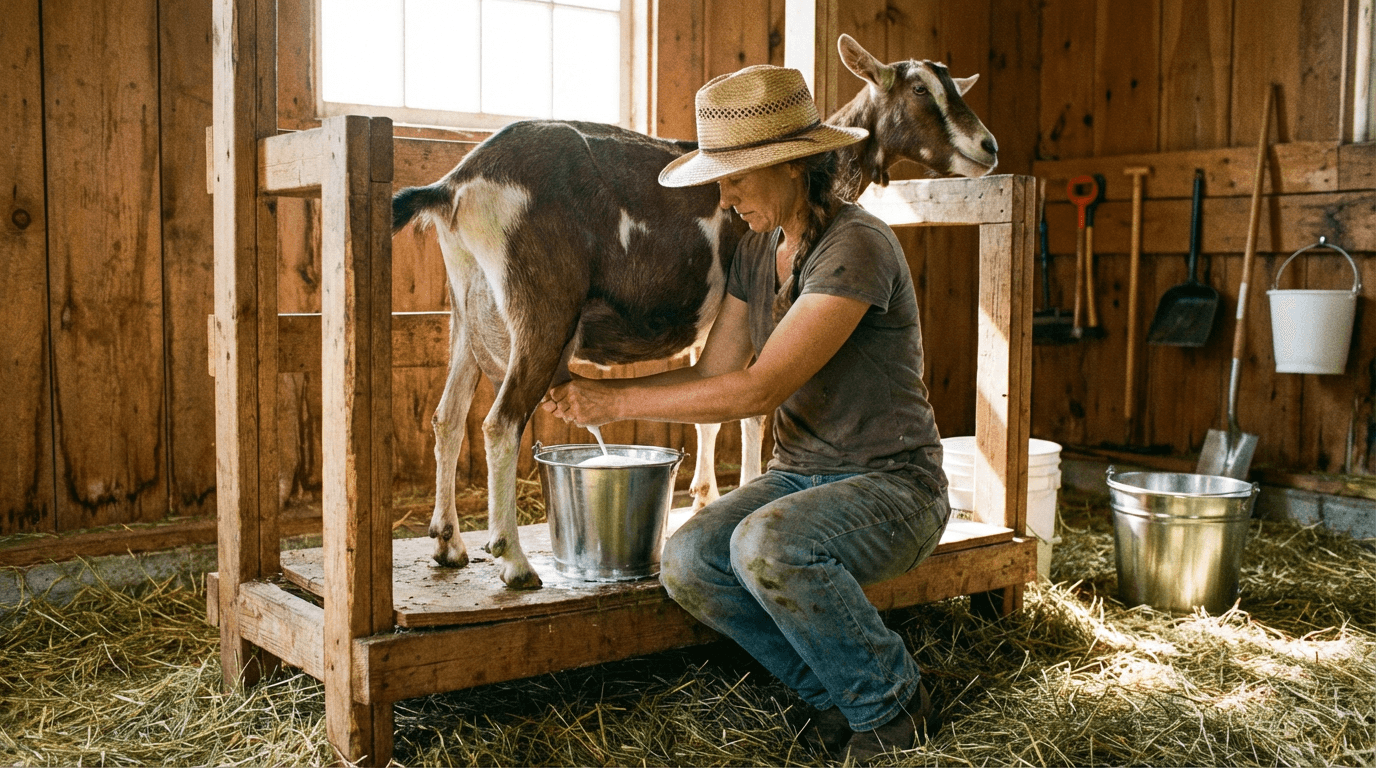
Dairy Goat Health & Milk Production: Udder Care, Mastitis Prevention & Maximizing Yield
By FarmVetGuide Editorial Team · Published May 2026 · Updated March 2026 · Based on verified data from our directory of 9,500+ practices
Introduction: Why Dairy Goat Health Determines Your Milk Check
Dairy goat production in the United States has grown steadily over the past decade, driven by strong consumer demand for artisan cheeses, fresh chèvre, and specialty dairy products. Whether you manage a backyard herd of five does or a commercial operation with several hundred animals, the fundamental truth remains the same: the health of your does directly determines the quality and quantity of milk you produce.
Mastitis alone costs the U.S. dairy goat industry tens of millions of dollars annually through reduced yield, discarded milk, treatment expenses, and premature culling. Subclinical mastitis — the invisible thief — can reduce production by 10 to 25 percent in affected quarters without any obvious outward sign that something is wrong. A doe producing two quarts less per day for a full lactation represents a significant economic loss on any scale of operation.
This guide covers everything a working dairy goat producer needs to know: breed selection, udder anatomy, milking technique, somatic cell count monitoring, mastitis detection and treatment, dry-off protocols, nutrition for peak lactation, CAE prevention, milk quality for cheesemaking, and how to use DHIA testing to drive herd improvement year after year.
Dairy Goat Breed Comparison: Choosing the Right Genetics for Your Goals
Breed selection is the foundation of a profitable dairy goat enterprise. Each major breed offers a distinct combination of milk volume, butterfat percentage, protein content, temperament, and adaptability to different management systems. Understanding these differences allows you to match genetics to your market and management style.
| Breed | Average Daily Milk (lbs) | Avg. Butterfat % | Avg. Protein % | Lactation Length | Best For | Notes |
|---|---|---|---|---|---|---|
| Nubian | 6–8 | 4.6–5.0% | 3.5–3.7% | 283 days avg. | Cheesemaking, fluid milk | High solids; loud, heat-tolerant; roman nose |
| Alpine | 8–10 | 3.4–3.6% | 2.9–3.1% | 290 days avg. | High-volume fluid milk | Vigorous, adaptable to cold; varied color patterns |
| Saanen | 9–12 | 3.2–3.5% | 2.8–3.0% | 293 days avg. | Maximum volume, commercial production | White; sun-sensitive skin; calm temperament |
| LaMancha | 7–9 | 3.9–4.2% | 3.1–3.3% | 288 days avg. | Balanced production, cheese | Distinctive tiny ears; docile; strong milking breed |
| Nigerian Dwarf | 1–2.5 | 6.1–10% | 4.0–4.5% | Varies widely | Artisan cheesemaking, butter, ice cream | Highest fat % of any breed; small size; multiple kiddings/year possible |
| Oberhasli | 6–8 | 3.5–3.7% | 2.9–3.2% | 285 days avg. | Fluid milk, soft cheeses | Bay/black coloring; quiet disposition; underutilized breed |
| Toggenburg | 7–9 | 3.0–3.2% | 2.7–2.9% | 290 days avg. | Volume production | Oldest registered dairy breed; slightly lower fat than others |
Cross-breeding considerations: Many successful commercial operations use first-cross does (e.g., Saanen × Nubian) to capture hybrid vigor combined with moderate volume and higher solids than a purebred Saanen. If your market is fluid milk, prioritize volume breeds. If you sell to cheesemakers or produce your own artisan products, fat and protein solids matter more than raw pounds.
Udder Anatomy and Normal Function
A thorough understanding of udder anatomy is essential for recognizing deviations from normal and for milking effectively without causing injury. Unlike dairy cattle, which have four quarters, the goat udder consists of two completely separate halves — the left and right — each with its own gland cistern, teat cistern, and teat canal. There is no connection between the two halves, meaning infection in one side does not automatically spread to the other through internal ducts.
Key Anatomical Structures
- Alveoli: Tiny milk-secreting sacs clustered into lobules. Milk is synthesized here by secretory epithelial cells in response to prolactin stimulation. Oxytocin causes myoepithelial cells surrounding alveoli to contract and eject milk into the duct system.
- Duct system: A network of progressively larger ducts carries milk from alveoli to the gland cistern. Damage to ductal epithelium during mastitis can reduce functional capacity permanently.
- Gland cistern (udder cistern): The large reservoir in the upper portion of each half that stores milk between milkings. Capacity varies considerably by breed and individual genetics.
- Teat cistern: The cavity within the teat that connects to the gland cistern. The streak canal (teat orifice) is the main portal of entry for mastitis-causing pathogens.
- Streak canal (teat orifice): The narrow opening at the teat tip, lined with keratin that serves as a physical and antimicrobial barrier. The keratin plug that forms between milkings is an important protective mechanism — aggressive stripping or harsh teat dip formulations can damage this barrier.
- Suspensory ligament system: The medial and lateral suspensory ligaments support the udder from the abdominal wall. Does with poor udder attachment tend to experience more teat-end trauma, dirt contamination, and mastitis problems over multiple lactations.
Milk Letdown and Oxytocin
Milk letdown is a neuroendocrine reflex. When a doe experiences a milking-related stimulus — the sound of the milking machine, the approach of her kids, or the feel of the milker's hands — the hypothalamus signals the pituitary to release oxytocin. Oxytocin reaches the udder within 60 to 90 seconds and causes alveolar contraction, pushing cisternal milk plus ejected alveolar milk to the teat. This letdown window lasts approximately 5 to 8 minutes before oxytocin is metabolized.
Practical implication: You must begin milking within 1 minute of the pre-stimulation routine and complete the milking of each doe within 5 to 6 minutes to capture full alveolar milk ejection. Incomplete milking — leaving milk in the gland — is a major predisposing factor for mastitis and reduced production over time.
Milking Frequency: Twice Daily vs. Three Times Daily
The standard milking frequency for dairy goats is twice daily (BID), roughly 12 hours apart. However, the milking frequency decision involves trade-offs between labor cost, milk production, udder health, and doe welfare.
Twice Daily Milking (BID)
Twice daily milking is the industry standard for most operations. Does milked BID typically produce 10 to 15 percent less total milk than those milked three times per day, but this difference is largely offset by the labor savings. Intramammary pressure builds more slowly in does with good capacity gland cisterns, making BID milking practical for most breeds. Saanen, Alpine, and LaMancha does with large cistern capacity adapt well to twice daily schedules.
Three Times Daily Milking (TID)
Three times daily milking can increase production by 10 to 20 percent over BID in peak lactation. The increased milk removal frequency signals the udder to maintain higher secretory activity. For high-producing does in the first 60 to 90 days of lactation, TID milking may be economically justified if labor costs are manageable. Nigerian Dwarf does and Nubian does with smaller cistern capacity may also benefit from TID to reduce intramammary pressure discomfort.
Milking Interval Consistency
Consistency matters more than absolute frequency. A doe milked at 6 AM and 6 PM (12-hour interval) performs significantly better than a doe milked at 6 AM and 4 PM (10 hours) then 8 PM (4 hours). Irregular intervals increase intramammary pressure, stress the alveolar epithelium, and increase mastitis susceptibility. Build your milking schedule around the animals, not convenience.
Somatic Cell Count: Your Herd Health Dashboard
Somatic cell count (SCC) is the single most important routine measurement in dairy goat management. SCC represents the concentration of white blood cells (leukocytes) and shed epithelial cells in milk, measured in thousands of cells per milliliter (cells/mL or × 1,000 cells/mL). Elevated SCC indicates udder inflammation — either from active infection, physical damage, or stress — and directly correlates with reduced milk production and compromised milk quality for processing.
SCC Interpretation for Goats
Goats naturally have higher somatic cell counts than dairy cattle, which creates some confusion in interpreting results. Several factors beyond infection drive SCC in goats, including stage of lactation (naturally elevated in early and late lactation), estrus, stress, nutritional deficiencies, and seasonal factors.
| SCC (× 1,000 cells/mL) | Interpretation | Action |
|---|---|---|
| < 500 | Excellent — healthy udder | Maintain current management |
| 500–1,000 | Good — normal range for goats | Monitor; review milking technique |
| 1,000–1,500 | Marginal — possible subclinical mastitis | CMT test; evaluate for Staph aureus or Mycoplasma |
| 1,500–2,000 | Elevated — likely subclinical infection | Milk culture; consider treatment or dry-off |
| > 2,000 | High — active infection probable | Culture and treat; evaluate culling economics |
Regulatory note: The FDA Grade A PMO (Pasteurized Milk Ordinance) sets the SCC limit for commingled goat milk at 1,000,000 cells/mL (1,000 × 1,000 cells/mL). However, most artisan cheesemakers and commercial buyers set their own acceptance thresholds — often 750,000 to 1,000,000 cells/mL. Running a herd average consistently above 500,000 cells/mL should prompt a systematic udder health investigation.
DHIA Testing for SCC Monitoring
The Dairy Herd Improvement Association (DHIA) provides monthly milk testing services that include individual SCC, milk weight per milking, fat percentage, and protein percentage. Enrolling in DHIA testing is one of the highest-return investments a dairy goat producer can make. Monthly individual SCC data allows you to:
- Identify does with chronically elevated SCC before they become clinical mastitis cases
- Track does that spike in SCC after freshening (early fresh mastitis risk)
- Calculate estimated milk loss from subclinical mastitis across the herd
- Make data-driven culling and dry-off decisions
- Benchmark herd genetics and management against national averages
- Generate official production records for breed association registration and sale documentation
Contact your state's DHIA office or the National Dairy Herd Information Association (NDHIA) at dhia.org to enroll. Supervisor testing typically costs $3 to $8 per doe per test depending on the testing plan.
Mastitis in Dairy Goats: Clinical vs. Subclinical
Mastitis — inflammation of the mammary gland — is the most economically significant disease in dairy goat production. Understanding the distinction between clinical and subclinical mastitis is essential for effective detection and management.
Clinical Mastitis
Clinical mastitis produces visible signs of infection and inflammation that are detectable without laboratory testing:
- Milk changes: Flakes, clots, watery secretion, blood-tinged milk, or abnormal color (yellow, brown)
- Udder changes: Swelling, heat, pain, redness, hardness in affected half
- Systemic signs (severe cases): Fever (>104°F), depression, anorexia, reduced rumen motility, dehydration
- Gangrenous mastitis: Blue-black discoloration of the skin, cold to touch, tissue death — requires immediate veterinary intervention; often fatal or results in loss of the affected half
Subclinical Mastitis
Subclinical mastitis is far more common than clinical mastitis and far more costly in aggregate because it persists undetected in many herds. There are no visible changes to the milk or udder — the only indicator is elevated SCC on laboratory testing. A doe can carry subclinical mastitis for an entire lactation, producing 15 to 25 percent less milk than her healthy peers, serving as a reservoir for contagious pathogens, and potentially converting to clinical disease at any time.
Common Mastitis Pathogens in Goats
| Pathogen | Type | Clinical Signs | Treatment Response | Notes |
|---|---|---|---|---|
| Staphylococcus aureus | Contagious | Subclinical to severe; can cause gangrenous | Poor (chronic carrier state) | Most common chronic mastitis pathogen; spread cow-to-cow at milking |
| Coagulase-negative Staphylococcus (CNS) | Environmental/skin | Usually subclinical | Good | Leading cause of elevated SCC without clinical signs |
| Streptococcus spp. | Environmental | Acute to subacute | Good with appropriate antibiotics | Strep. dysgalactiae most common in goats |
| Mannheimia haemolytica | Environmental | Peracute; gangrenous; systemic | Guarded; aggressive treatment required | Associated with postpartum stress; summer peak |
| Pasteurella multocida | Environmental | Acute to peracute | Good if caught early | Often accompanies respiratory disease outbreaks |
| Mycoplasma spp. | Contagious | Acute drop in production; agalactia; joint swelling in kids | Poor; no approved treatment; cull | Can devastate a herd rapidly; introduced by purchased animals |
| Pseudomonas aeruginosa | Environmental | Severe; rapidly gangrenous | Very poor | Associated with contaminated teat dip or water |
The California Mastitis Test: Your On-Farm Detection Tool
The California Mastitis Test (CMT) is an inexpensive, rapid, on-farm screening tool that detects elevated SCC by measuring DNA content in milk. When milk with high SCC is mixed with the CMT reagent (a detergent that causes white blood cell DNA to precipitate and form a gel), the resulting viscosity indicates the degree of SCC elevation.
How to Perform the CMT
- Strip 2 to 3 streams of milk from each half into the corresponding paddle cup (the CMT paddle has two shallow wells, one per udder half)
- Add approximately an equal volume of CMT reagent to each cup
- Swirl the paddle gently in a circular motion for 10 to 15 seconds
- Read the result immediately — the reaction dissipates within 20 seconds
CMT Score Interpretation
| Score | Reaction | Estimated SCC | Interpretation |
|---|---|---|---|
| Negative (N) | Fluid, no gel formation | < 200,000 cells/mL | Healthy |
| Trace (T) | Slight thickening, disappears with swirling | 150,000–500,000 | Borderline; retest in 2 weeks |
| 1 (+) | Distinct thickening, no gel | 400,000–1,500,000 | Subclinical mastitis likely; culture |
| 2 (++) | Thick gel, clumps in center | 800,000–5,000,000 | Subclinical to clinical; treat |
| 3 (+++) | Thick, firm gel that adheres to paddle | > 5,000,000 | Severe infection; veterinary care immediately |
CMT limitations: The CMT is a screening test, not a definitive diagnosis. Goats in early or late lactation, immediately after freshening, or during estrus may show trace to 1+ reactions due to physiological SCC elevation rather than infection. Always interpret CMT results in context of the individual doe's lactation stage and history. A positive CMT should be followed by milk culture before treatment to ensure antibiotic selection is appropriate.
CMT Protocol for Routine Herd Monitoring
Most dairy goat operations benefit from CMT testing every 2 to 4 weeks in addition to DHIA monthly testing. Test immediately before dry-off, within the first week fresh, and any time a doe shows a production drop of more than 20 percent without another obvious cause. Keep a log of CMT results by doe and date — patterns often reveal management problems (poor teat dip coverage, liner slippage, rough milking technique) before they become herd-wide issues.
Teat Dipping: Pre-Dip and Post-Dip Protocols
Teat dipping is the cornerstone of mastitis prevention. The goal of pre-dip is to reduce environmental bacteria on the teat skin and canal before the milking unit is attached. The goal of post-dip is to kill bacteria introduced during milking and to protect the teat canal while it closes following milking.
Pre-Milking Teat Preparation
- Visual inspection: Examine each half for signs of clinical mastitis before attaching any milking equipment
- Strip 2 to 3 streams: Use a strip cup to check for flakes, clots, or watery milk; stripping also stimulates letdown
- Pre-dip: Apply pre-dip solution (typically 0.5–1% iodine or chlorhexidine-based product) and allow 30-second contact time
- Dry thoroughly: Use individual paper towels — one towel per teat — to dry the teat end. This step is critical; attaching a milking unit to a wet teat causes bacteria to be drawn up the teat canal by vacuum
- Attach unit promptly: Milking unit should be attached within 60 to 90 seconds of pre-stimulation
Post-Milking Teat Dip
Post-dip is applied immediately after the milking unit is removed, before the doe steps away from the stanchion. Common effective post-dip formulations include:
- Iodine (0.5–1%): The most widely used; effective broad-spectrum germicidal activity; iodine also acts as a skin conditioner at appropriate concentrations. Do not use at concentrations above 1% — higher concentrations cause teat-end damage
- Chlorhexidine (0.5–1%): Excellent residual activity; good choice in cold weather when iodine efficacy may be reduced; less staining than iodine
- Barrier teat dips: Film-forming products that create a physical seal over the teat canal; particularly useful in very cold or very dusty environments
- Hydrogen peroxide-based: Acceptable efficacy; often used in certified organic operations
Post-dip should cover the entire teat from tip to base — a minimum of three-quarters of the teat surface. Use a proper teat dip cup sized for goat teats (smaller than cattle dip cups). Check coverage by looking at residual wetness. Refill dip cups after every 3 to 5 does; do not pour used dip back into the bulk container.
Winter Teat Dip Management
In cold climates, liquid teat dip can freeze on teat skin, causing frostbite and teat canal damage. Options include: use a barrier or foam dip that dries rapidly; bring does into a heated area for a brief post-dip holding period; reduce concentration slightly while maintaining contact time; or use a dip cup with a small opening to minimize application volume. Glycerin can be added to iodine dips (4 to 8 mL per 100 mL dip) to improve skin conditioning and reduce freezing risk.
Mastitis Treatment Protocol
Treatment decisions should be made in consultation with your veterinarian under a valid veterinarian-client-patient relationship (VCPR). The specific antibiotic, dose, route, and withdrawal time must be determined by your vet based on culture results and label directions. The following framework applies broadly but is not a substitute for veterinary guidance.
Step 1: Culture Before Treatment
Every new mastitis case should have a milk culture performed before antibiotic therapy begins (except peracute/gangrenous cases where immediate treatment is required). Culture kits are inexpensive (roughly $5 to $15 per sample including lab analysis), and identification of the causative organism guides antibiotic selection. Treating with the wrong antibiotic not only fails to cure the infection — it contributes to resistance development and unnecessarily extends the milk discard period.
Step 2: Determine Treatment Pathway
- Clinical mastitis, mild to moderate: Intramammary antibiotic infusion with or without systemic NSAID (flunixin meglumine or meloxicam) for pain and inflammation. Most mild cases respond within 3 to 5 days of intramammary therapy.
- Clinical mastitis, severe/systemic: Systemic antibiotics (procaine penicillin G, enrofloxacin, or ceftiofur — as directed by veterinarian), IV/oral fluids if dehydrated, systemic NSAID, frequent stripping of affected quarter
- Subclinical mastitis: Lactation treatment is often not cost-effective; dry-off therapy at the end of lactation is usually more effective and practical
- Mycoplasma-positive: No effective treatment; isolate immediately and consult veterinarian regarding culling decision
- Staph aureus, chronic: Cure rates for chronic Staph aureus are low (less than 30%); evaluate cull economics versus ongoing treatment costs
Milk Withholding After Treatment
All intramammary and systemic antibiotics approved for dairy cattle have specific milk withdrawal times on the label. For goats, most intramammary products are used extra-label (no products are specifically approved for dairy goat lactation therapy in the U.S.), meaning your veterinarian must establish an appropriate withholding time — typically 1.5 to 2 times the cattle label withdrawal. Document all treatments in your herd health records. Selling milk during the withdrawal period is a serious food safety violation.
Dry-Off Protocol: Setting Up the Next Lactation
Dry-off — the transition from lactation to the dry period — is the most critical management event in the udder health calendar. A well-executed dry-off protocol accomplishes three goals: it prevents new infections from entering an open teat canal, treats any existing subclinical infections, and allows the udder to recover and regenerate secretory tissue before the next kidding.
When to Dry Off
Most dairy goat operations dry does 6 to 8 weeks before expected kidding. Does in late lactation producing less than 1 pound per day may not need a formal dry-off protocol — production has naturally declined enough that abrupt cessation carries little risk. Does still producing 2 or more pounds per day at dry-off require active management to avoid painful engorgement and mastitis.
Abrupt Cessation vs. Step-Down Method
Abrupt cessation (milking one day, stopping completely the next) is the most effective method for the majority of does. Milk accumulation in the udder suppresses prolactin and signals the cessation of secretory activity. Do not strip out the udder for relief — this restarts the secretory signal and prolongs the process. Engorgement will be uncomfortable for 2 to 4 days but typically resolves without complications in does that were producing moderate amounts.
Step-down method (reducing milking frequency from twice daily to once daily to every other day over 1 to 2 weeks before dry-off) is appropriate for high-producing does producing more than 6 to 8 pounds per day at dry-off. Abrupt cessation in these does can cause significant engorgement-related mastitis.
Dry-Off Treatment Options
- Dry cow/goat intramammary antibiotic tubes: Instilled in each half at the last milking; long-acting formulation provides protection during the dry period. All products are extra-label in dairy goats — use under veterinarian direction. Standard products include cloxacillin, cephapirin, and penicillin/novobiocin combinations.
- Internal teat sealants (bismuth subnitrate): Physical barrier product that plugs the teat canal for the dry period, providing highly effective protection against environmental pathogens without antibiotic use. Widely used in certified organic operations. Can be used alone in does with clean SCC history or in combination with dry-off antibiotic in does with history of elevated SCC.
- No treatment (for very low producers): Does producing less than 0.5 pounds per day at dry-off with a clean SCC history may not require any treatment. Monitor for engorgement and mastitis in the first week of the dry period.
Dry Period Management
During the dry period, does should receive adequate nutrition for fetal development and udder regeneration without becoming overconditioned. Body condition score (BCS) at dry-off should be 2.75 to 3.25 on a 5-point scale. Does that enter late gestation overweight (BCS > 3.5) are at higher risk for pregnancy toxemia, difficult kidding, and fresh cow metabolic issues. Provide a clean, dry environment with good bedding — the dry period is when environmental mastitis pathogens (E. coli, Klebsiella, environmental Streptococcus) pose the greatest udder health risk through a relaxed teat sphincter.
Nutrition for Peak Lactation and Milk Quality
Nutrition is the foundation of milk production. A dairy doe in peak lactation has extraordinary nutrient demands — she is simultaneously producing milk, maintaining body condition, and often still growing if she freshened young. Nutritional deficiencies translate directly into reduced production, elevated SCC, and increased susceptibility to metabolic disease.
Energy Requirements
Energy (measured in megacalories of net energy for lactation, Mcal NE-L) is the primary limiting nutrient in most dairy goat rations. Does in the first 8 to 10 weeks of lactation are typically in negative energy balance — they cannot consume enough dry matter to meet their combined maintenance, lactation, and early pregnancy energy needs. This is normal and manageable, but severe negative energy balance increases the risk of ketosis, fatty liver, and immunosuppression leading to mastitis.
- Early lactation (weeks 1–8): Feed for maximum dry matter intake; high-quality forage ad libitum; 1 to 1.5 lbs of grain concentrate per lb of milk produced
- Peak lactation (weeks 6–12): Gradual grain increase to support peak production; monitor BCS weekly; avoid overfeeding grain (>50% of ration) which increases acidosis risk
- Mid-lactation (weeks 12–24): Reduce grain gradually as production declines naturally; maintain BCS 3.0–3.25
- Late lactation and dry period: Focus on forage quality; restrict grain to prevent over-conditioning; increase energy in last 2 weeks prepartum (flushing)
Protein, Minerals, and Vitamins
| Nutrient | Role in Milk Production | Deficiency Signs | Sources |
|---|---|---|---|
| Crude Protein (16–18% of DM) | Milk protein synthesis; rumen microbial activity | Reduced production, poor BCS, low milk protein | Alfalfa hay, soybean meal, canola meal |
| Calcium (0.6–0.8% of DM) | Milk calcium; muscle function; bone metabolism | Milk fever (hypocalcemia), poor teat tone | Alfalfa, limestone supplementation |
| Phosphorus (0.4–0.5% of DM) | Energy metabolism; bone structure | Poor feed conversion, bone loss | Dicalcium phosphate, distillers grains |
| Vitamin E (500–1,000 IU/day) | Antioxidant; immune function; udder health | Elevated SCC, increased mastitis incidence | Fresh forage, vitamin E supplement |
| Selenium (0.1–0.3 ppm) | Antioxidant (glutathione peroxidase); immune function | White muscle disease in kids, retained placenta, mastitis | Selenium yeast supplement; selenium-fortified mineral |
| Zinc (50–80 ppm) | Teat canal keratin integrity; immune function | Rough coat, hoof problems, increased mastitis | Zinc methionine, zinc sulfate |
| Copper (15–25 ppm) | Enzyme function; immune response; coat condition | Faded coat, poor immune response | Copper bolus, copper sulfate in mineral |
Important: Goats are significantly more sensitive to copper toxicity than sheep. Never feed a sheep-formulated mineral to dairy goats. Ensure any shared mineral feeders are species-appropriate. However, copper deficiency is common in many goat herds — have your forage and blood analyzed to determine your herd's actual copper status before assuming deficiency or adequacy.
CAE Prevention: Heat Treatment of Colostrum
Caprine Arthritis-Encephalitis (CAE) is a retroviral disease caused by the Caprine Arthritis Encephalitis Virus (CAEV). CAE is the most economically significant endemic disease in U.S. dairy goat herds, causing progressive arthritis in adult does (particularly carpal joint swelling), encephalitis in kids, pneumonia, and — critically for production — chronic indurative mastitis characterized by diffuse hardening of the udder. Does with CAE-related mastitis show markedly elevated SCC and dramatically reduced production that does not respond to antibiotic treatment.
There is no treatment for CAE. Prevention centers on eliminating the primary route of transmission: infected colostrum and milk fed to newborn kids.
Heat Treatment Protocol for Colostrum
The CAE virus in colostrum is reliably inactivated by heating to 56°C (133°F) for 60 minutes. This temperature/time combination must be maintained precisely — insufficient temperature or duration will fail to inactivate virus, while temperatures above 60°C will denature the immunoglobulins in colostrum, rendering it ineffective at providing passive immunity to kids.
- Collect colostrum from the doe immediately after kidding; pool from multiple does if necessary for volume
- Use a dedicated CAE-prevention colostrum pasteurizer or a regulated water bath (check temperature with a calibrated thermometer in the colostrum, not the water)
- Heat to exactly 56°C and maintain for 60 minutes with gentle stirring every 10 to 15 minutes
- Cool rapidly to body temperature (38–39°C) for immediate feeding or refrigerate/freeze for later use
- Feed 10% of body weight in the first 2 hours of life (approximately 150–200 mL for most breed kids)
- Remove kids from their dams immediately at birth before they can nurse — any natural nursing even briefly can transmit virus
Alternatives to heat-treated doe colostrum: Commercially available bovine colostrum replacers can provide adequate passive immunity if properly dosed. Frozen, tested-negative colostrum from a known CAE-negative doe is also acceptable. Always confirm colostrum quality with a Brix refractometer (fresh colostrum should read >22% Brix).
Ongoing CAE Control
- Test all incoming animals with ELISA or AGID before adding to herd; quarantine for 60 days minimum
- Retest the entire herd annually
- Cull or segregate positive animals
- Clean and disinfect milking equipment between animals if individual cleaning is not practical
- Investigate any does with chronic, treatment-resistant mastitis or joint problems for CAE status
Milk Quality for Cheesemaking
If you sell milk to artisan cheesemakers or produce your own cheese on-farm, milk quality standards extend well beyond SCC. Cheesemakers — particularly those making aged, raw-milk cheeses — have specific requirements for bacteria counts, temperature management, milk composition, and flavor profiles.
Standard Plate Count and Coliform Count
Standard Plate Count (SPC, also called total bacteria count) measures total bacterial load in milk. For Grade A fluid milk sales, the PMO sets the legal limit at 750,000 CFU/mL (commingled). Most cheesemakers require SPC below 50,000 CFU/mL, and premium buyers may require below 10,000 CFU/mL. Coliform counts above 100 CFU/mL suggest environmental contamination at milking (fecal material, dirty equipment, or post-milking contamination).
Temperature Management
Milk must be cooled to 40°F (4°C) or below within 2 hours of milking. Every 10°F rise in storage temperature doubles the bacterial doubling rate. In practical terms, milk held at 50°F for 12 hours before refrigeration will have 4 to 8 times the bacterial load of milk cooled promptly. Invest in a bulk tank with adequate cooling capacity and a properly calibrated thermometer. If selling milk to a licensed processor, they will audit your cooling records.
Flavor Development
Goat milk has a distinctive flavor profile attributed primarily to medium-chain fatty acids (caprylic, capric, and caproic acids) that are present in higher concentrations than in cow milk. "Goaty" or "barny" flavor intensification can result from:
- Keeping intact bucks near the milking area (buck pheromones are absorbed through the skin and lungs and affect milk flavor rapidly)
- Feeding highly aromatic feeds (garlic, onion, strong silage) within 4 hours of milking
- Delayed cooling allowing lipolysis (fat breakdown) — proper cooling is essential
- Mastitis infections that alter fat and protein composition
- Late-lactation milk (naturally higher in medium-chain fatty acids)
Buck separation is non-negotiable for quality milk production. Bucks must be housed completely downwind and out of sight of the milking parlor. Even a brief exposure of a buck to the milking area can flavor a tank of milk within hours through volatile compounds absorbed transdermally by the does.
Seasonal Production Patterns
Dairy goats are seasonal breeders driven by photoperiod (day length). Most breeds enter estrus as day length shortens in late summer and fall, kid in late winter and spring, and peak in lactation production in spring and early summer. Understanding and managing seasonal production cycles is essential for maintaining consistent milk supply.
Natural Seasonal Pattern
- March–May: Peak fresh milk; does entering peak lactation after late winter/early spring kidding; highest SCC in very fresh does (first 2 weeks)
- June–August: Mid-lactation; production beginning to decline; heat stress management becomes critical above 85°F
- September–October: Late lactation; breeding season begins; production drops as does come back into estrus; late-lactation SCC naturally rises
- November–February: Dry period for most does; dry-off management; monitor nutritional status of gestating does
Extending the Milking Season
For operations requiring year-round milk supply, several strategies can extend or stagger the production season:
- Photoperiod manipulation: Using artificial lighting (16 hours light/8 hours dark) in late summer delays the onset of the breeding season, allowing later kidding and extending production into fall and winter
- Buck effect: Strategic introduction of a buck in spring can stimulate out-of-season breeding in some does, particularly in breeds with less pronounced seasonality (Nubian, LaMancha, Nigerian Dwarf)
- Staggered breeding dates: Breed one group in early fall and another in mid-winter for two kidding groups, smoothing the production curve
- Extended lactation does: Some high-producing does can be milked through for 18 to 24 months without re-breeding; requires monitoring for metabolic stress and SCC trends
Heat Stress and Milk Production
Dairy goats show measurable production declines at ambient temperatures above 85°F (29°C), with significant impacts above 95°F (35°C). Heat stress increases respiration rate, reduces dry matter intake, elevates cortisol (suppressing immune function), and directly reduces milk synthesis. Strategies to mitigate heat stress include: shade and adequate airflow in housing; cool fresh water available at all times (consumption doubles in heat); fans or misters in the milking parlor; adjusting milking time to cooler morning and evening hours; and providing electrolyte supplementation during heat events.
Milking Equipment Maintenance and Sanitation
Milking equipment is a critical factor in both udder health and milk quality. Poorly maintained equipment causes teat-end impacts, irregular vacuum fluctuations, and ineffective cleaning — all leading to elevated SCC and bacterial counts.
Machine Milking Parameters for Goats
- Vacuum level: 10–12 inches Hg (33–40 kPa) for most portable milking units; slightly lower than dairy cattle standard of 13–15 inHg
- Pulsation rate: 50–60 cycles per minute
- Pulsation ratio: 60:40 (open:close) — ensures adequate teat massage phase to restore circulation
- Liner condition: Replace rubber liners every 2,000 to 2,500 milkings or at least every 6 months; cracked, hard, or off-round liners are the primary cause of irregular vacuum and teat-end damage
Cleaning and Sanitation Protocol
- Pre-rinse: Lukewarm water (100–110°F) immediately after milking to remove milk residue before it dries. Do not use hot water — it cooks protein onto surfaces
- Wash cycle: Hot alkaline detergent solution (140–145°F, 0.5–1% concentration) for 5 to 8 minutes through all milk-contact surfaces
- Acid rinse: Weekly or every other day with an acid detergent/sanitizer to remove mineral deposits (milkstone) that harbor bacteria in pits on equipment surfaces
- Sanitizer rinse: Before milking, circulate a sanitizing solution (iodophor or chlorine) at room temperature; drain but do not rinse
- Inspection: Regularly inspect all gaskets, seals, and clear sight glasses for discoloration (pink or yellow tinges indicate protein buildup or mold)
Frequently Asked Questions
How long does a dairy goat lactation last?
Lactation length in dairy goats averages 280 to 305 days, depending on breed and individual genetics. High-producing does of milking breeds such as Saanen and Alpine average 290 to 295 days per lactation. Nigerian Dwarf does often have shorter lactations averaging 230 to 260 days but can produce multiple kiddings per year due to less pronounced seasonality. Extended lactation (milking through without re-breeding) is possible for 18 to 24 months in exceptional does, though production declines steadily after month 6 to 8.
What is a normal somatic cell count for dairy goats?
Goats naturally have higher SCC than dairy cattle due to differences in the milk secretion process (apocrine versus merocrine secretion) and the shedding of cytoplasmic particles. A healthy dairy goat with no mastitis can have an SCC of 200,000 to 1,000,000 cells/mL, depending on lactation stage, breed, and individual variation. The FDA Grade A PMO limit for commingled goat milk is 1,000,000 cells/mL. For optimal udder health and milk quality, target herd averages below 500,000 cells/mL, and flag any individual doe consistently above 1,000,000 cells/mL for investigation.
Can I use cattle mastitis tubes in goats?
Most intramammary antibiotics used in dairy goats in the U.S. are technically extra-label use because no products are specifically approved and labeled for lactating dairy goats. Veterinarians commonly prescribe cattle-label intramammary products for use in goats under a valid VCPR with an appropriate extra-label milk and meat withholding time. Never use any intramammary product in dairy goats without veterinarian guidance on dosing and withholding times — goat teat canals are smaller than cattle, and the dose volume must be adjusted. Use of pediatric-size intramammary tubes designed for smaller animals is often preferred.
How do I prevent mastitis in freshly kidded does?
The periparturient period (2 weeks before and 2 weeks after kidding) is the highest-risk time for mastitis. Key prevention measures include: ensure dry-off therapy was properly administered 6 to 8 weeks earlier; provide clean, well-bedded housing for kidding; ensure kids nurse or receive colostrum within the first 2 hours; begin a consistent milking routine with proper preparation and post-dipping immediately; monitor SCC closely in the first 2 weeks fresh; and address any nutritional deficiencies (selenium, vitamin E, zinc) in the dry period before they manifest as immunosuppression at freshening.
Is CAE detectable in all positive goats?
No — CAE-positive goats can be seronegative (test negative) during the early stages of infection or during a brief window called the serological window period. A single negative ELISA test does not definitively rule out CAE in an animal recently acquired or recently exposed. Best practice is to test twice, 60 to 90 days apart, and to maintain biosecurity regardless of test status. Goats from herds without a documented CAE control program should be treated as suspect regardless of individual test results until longitudinal negative testing is confirmed.
How do I maximize butterfat content in goat milk?
Butterfat content is largely genetically determined — choosing Nigerian Dwarf or Nubian genetics is the most reliable way to produce high-fat milk. Beyond genetics, management factors that support maximum butterfat include: maintaining adequate neutral detergent fiber (NDF) in the ration (minimum 28 to 32% of dry matter from forage) to support ruminal acetate production; avoiding abrupt diet changes that cause rumen acidosis; ensuring does are milked completely at each milking (fat concentration increases toward the end of milking as strippings are higher-fat than fore-milk); and maintaining optimal body condition to prevent excessive mobilization of body fat, which alters milk fatty acid composition.
When should I call a veterinarian for mastitis?
Call your veterinarian immediately if a doe shows: severe swelling, heat, and pain in the udder with systemic signs (fever >104°F, depression, anorexia, reluctance to stand); any discoloration of the udder skin (blue, black, or mottled purple-red indicating gangrenous mastitis); blood or tissue in the milk; failure to improve within 48 hours of initiating treatment; or progressive worsening despite therapy. Gangrenous mastitis is a life-threatening emergency that requires immediate veterinary intervention — delay of even a few hours can make the difference between survival and death.
Find a Large Animal Veterinarian Near You
Managing dairy goat health — from mastitis treatment to CAE testing, dry-off protocols, metabolic disease prevention, and reproductive management — requires a partnership with an experienced large animal veterinarian. Many rural areas face a shortage of veterinarians with dairy goat expertise, making it essential to establish a relationship with a practice before you have an emergency.
FarmVetGuide is the largest free directory of large animal and livestock veterinarians in the United States, with over 9,500 verified listings across all 50 states. Search by your county or zip code to find mobile farm-call vets, clinics with goat-specific experience, emergency-available practices, and USDA-accredited veterinarians for interstate movement health certificates. Filter by species served to find practitioners with documented caprine expertise. Building a relationship with your local large animal veterinarian before problems arise — scheduling an annual herd health visit, establishing a herd health protocol, and creating a valid VCPR — is the single most effective investment in your herd's long-term productivity and welfare.
Related Articles & Resources
Sources & Further Reading
We cross-check the animal-health information in this guide against these recognized veterinary and government sources. For clinical guidance, consult them directly or speak with a licensed veterinarian.
How this guide is maintained
Animal-health guides on FarmVetGuide are written and maintained by the FarmVetGuide Editorial Team and cross-checked against authoritative veterinary sources, including the AVMA, USDA APHIS, and the Merck Veterinary Manual. This guide is general educational information, not a substitute for professional veterinary diagnosis or treatment. For a sick or injured animal, contact a licensed veterinarian directly.