
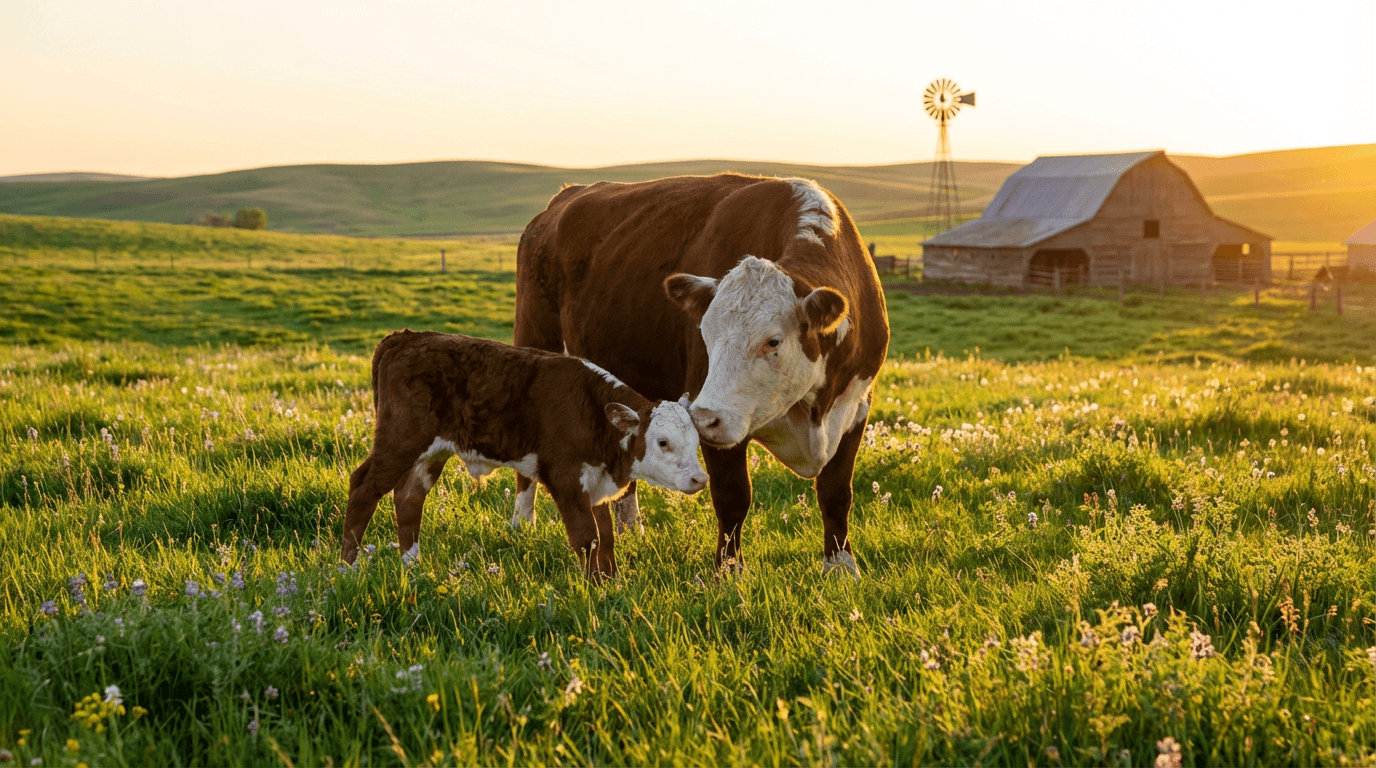
Winter Livestock Care: Keeping Farm Animals Healthy in Cold Weather
By Thomas Blanc, Founder · Published March 2026 · Updated February 2026 · Based on verified data from our directory of 9,500+ practices
Cold weather stresses livestock differently depending on species, age, body condition, and housing. Understanding the lower critical temperature for your animals — the point at which they must burn extra feed energy just to stay warm — helps you make smarter management decisions about shelter, nutrition, and water during winter months.
This guide covers cold stress thresholds for cattle, horses, goats, sheep, and pigs; nutrition and water adjustments for winter; shelter requirements; and the most common cold-weather health problems you need to watch for.
Lower Critical Temperature: The Key Concept in Winter Livestock Management
The Lower Critical Temperature (LCT) is the environmental temperature below which an animal must increase its metabolic rate — burning more feed energy — to maintain normal body temperature. Once ambient temperature drops below the LCT, every additional degree of cold increases the animal's energy requirement. If that extra energy is not provided in the diet, the animal draws on body reserves, loses condition, and becomes more vulnerable to disease.
The LCT is not a fixed number — it is dramatically affected by wind, moisture, hair coat or fleece, and body condition score. A dry animal in a windbreak has a much lower effective LCT than the same animal wet from rain, standing in mud in an open field.
| Species / Condition | Lower Critical Temperature | Notes |
|---|---|---|
| Beef cattle — dry, 1-inch winter hair coat | ~32°F (0°C) | NRC guideline. Wet coat raises LCT by 10–15°F (to ~45°F effectively). |
| Beef cattle — wet or muddy | ~45–50°F effective | Mud and wet hair dramatically increase cold stress. |
| Newborn beef calves | ~50°F | No thermoregulatory capacity at birth; colostrum and warming critical. |
| Horses — dry, heavy winter coat (unclipped) | ~18°F (−8°C) | Well-adapted to cold. Rain/snow penetration eliminates most insulation. |
| Horses — clipped or in thin summer coat | ~40°F (4°C) | Clipped horses need blankets in weather below 40°F. |
| Goats (most breeds) | ~32°F (0°C) | Less cold-hardy than sheep. Dairy breeds (LaMancha, Nubian) handle cold poorly. |
| Sheep — full fleece | ~28°F (−2°C) | Wool is outstanding insulation when dry. Rain penetration is the major risk. |
| Sheep — freshly shorn | ~50°F (10°C) | Shorn sheep lose most cold tolerance. Never shear before cold weather without adequate shelter. |
| Pigs — grow-finish (market weight) | ~50–55°F (10–13°C) | No effective hair coat; pigs are the most cold-sensitive common farm species. |
| Piglets — neonatal | ~85–95°F (29–35°C) | Creep heat lamps or heated pads are essential in all seasons for new piglets. |
The Wind Chill Multiplier
Wind dramatically increases the cold stress animals experience. A 30 mph wind at 20°F has a wind chill equivalent of approximately −6°F. For livestock, effective temperature is what matters — not the thermometer reading. A windbreak that reduces wind speed from 30 mph to 5 mph can raise the effective temperature by 10–20°F for the animals standing behind it. The investment in a three-sided windbreak or open-front shed pays dividends in reduced feed costs and improved animal health every winter.
The Wet-Mud Penalty
Wet conditions — rain, sleet, ice, or deep mud — dramatically increase cold stress in all species except those with wool (sheep in good condition). For cattle, wet hair loses approximately 80% of its insulating capacity. Mud on the belly and legs is functionally equivalent to the animal being wet. Research from South Dakota State University suggests that beef cows in muddy conditions require 10–15% more feed energy than dry cows at the same temperature. This is the "mud penalty" — and it explains why cattle in a muddy pen can lose body condition rapidly even when hay seems adequate.
Cattle Winter Management
Nutrition in Cold Weather
The most practical guideline from the National Research Council (NRC): for every 1°F below the lower critical temperature, increase the beef cow's feed energy by approximately 1%. For example, a cow with an LCT of 32°F at −10°F ambient temperature (42°F below LCT) needs roughly 42% more energy than at her LCT. That is a substantial increase — and it is why hay quality, not just quantity, matters critically in winter.
Hay quality: A cow eating 25 lbs of poor-quality grass hay (45% TDN) is getting far less energy than a cow eating 20 lbs of high-quality legume-grass mix (60% TDN). Have your hay tested before winter — a forage test from your extension service costs $20–30 and tells you exactly what you're feeding. Supplement with grain (corn, distillers grains, commodity feeds) when hay energy falls short.
Body condition score going into winter: Beef cows should enter winter at BCS 5.0–6.0 on the standard 1–9 scale. A BCS of 5 represents adequate fat cover — you can feel but not see the ribs. Thin cows (BCS 3–4) have insufficient body reserves to buffer cold stress and will lose condition rapidly with any nutritional shortfall. Correction of thin BCS is far easier done in fall (while temperatures are mild and pasture or hay is available) than in January.
Protein supplementation: Crude protein requirements also increase slightly in cold weather. Low-quality hay (grass/straw dominated) may be deficient in rumen-degradable protein, limiting microbial function and reducing the efficiency of energy utilization. A protein tub or liquid supplement through winter keeps rumen function optimal and maximizes the value of your hay dollar.
Water in Winter
Cattle will drink 30–50% less water when water temperature approaches freezing (32–40°F), compared to warm water (50–65°F). Reduced water intake directly causes reduced dry matter intake — which means less energy consumed on the coldest days when they need it most. Research consistently shows that providing water at 35–65°F (versus near-freezing) improves winter cattle performance significantly.
Practical solutions:
- Floating tank heaters: inexpensive, effective. Ensure the electric cord is protected from chewing. Check amperage rating — most are designed for 100–300 gallon tanks.
- Submersible tank heaters: more efficient in large tanks. Position away from the water access point so cattle are not shocked.
- Heated automatic waterers: most effective but highest upfront cost. Look for models with insulated bowls and adjustable thermostats.
- Hydrant depth: frost-free hydrants must be installed below the local frost depth (typically 3–5 feet in northern states). An improperly installed hydrant freezes at the most inconvenient times.
- Backup plan: always have a water hauling protocol for when your primary system fails in a blizzard.
Shelter for Cattle
Windbreaks: A solid windbreak (standing timber, board fence, or earthen berm) running perpendicular to the prevailing wind dramatically reduces wind chill exposure. Place hay feeding areas on the leeward (protected) side. The length of the windbreak should be sufficient to shelter the entire herd — a rough guideline is that a windbreak protects an area 10 times its height downwind.
Open-front sheds: Three-sided open-front sheds provide excellent shelter without the ventilation problems of closed barns. They let cattle choose their level of shelter exposure while protecting from wind and precipitation. Bedding (4–6 inches of straw in wet conditions) provides ground insulation and dramatically reduces the energy cattle spend warming cold ground contact.
Do cows need a barn? Well-conditioned, healthy adult beef cattle in moderate climates can overwinter without a barn if they have access to a good windbreak and dry bedding area. Dairy cattle, freshly calving cows, young calves, sick animals, and cattle in severe climates (Minnesota, Montana, North Dakota) need substantially more protection.
Winter Calving
Calves born in winter are at acute risk of hypothermia. Even a calf born at 20°F with a good cow that is licking and nursing aggressively can develop hypothermia if it cannot get dry and nursing within 30 minutes. Key management points:
- Warming station design: A warming box or warming room heated to 60–70°F with a heat lamp, a dry area for the calf, and a record board for tracking treatment is essential on calving operations. The warming room does not need to be large — it needs to be dry, draft-free, and warm enough for a wet calf.
- Colostrum first: A hypothermic calf should receive colostrum via stomach tube before extensive warming if its suck reflex is intact. A chilled calf that has sucked colostrum but is still cold goes into the warming box. A calf with no suck reflex needs warming first, then stomach tube colostrum.
- Hypothermia staging: Mild hypothermia (rectal temp 96–100°F) — calf is alert, standing or trying to. Warm with dry bedding, heat lamp. Moderate hypothermia (86–96°F) — weak, not standing, may have suck reflex. Warming box + tube feeding. Severe hypothermia (<86°F) — unresponsive, rigid. Warm slowly (not direct intense heat), warm fluids, veterinary support.
- Frostbite in calves: Ear tips, tail tip, and scrotum are most vulnerable. Pale-to-white, hard tissue is frostbitten. Rewarm with warm water (not hot). Ear tip sloughing is common after severe frostbite and not typically life-threatening. Scrotal frostbite in bull calves can cause permanent fertility damage.
Respiratory Disease in Winter
Bovine Respiratory Disease (BRD / shipping fever) increases in frequency during winter due to several converging factors: stress from cold and crowding, nutritional changes as spring pasture is replaced by dry hay, and housing changes that alter airflow and humidity. Key risk periods are the first 30 days after receiving calves and periods of rapid weather change (the 24–48 hours after a warm spell followed by a cold snap).
Early signs: Nasal discharge, depression (head down, ears back), reluctance to move to feed and water, elevated temperature. By the time a calf is clearly ill (not eating, clearly lethargic), it has often been sub-clinically sick for 24–48 hours. Twice-daily observation during high-risk periods is essential for early detection.
Ventilation in housing: A common mistake on small farms is closing up the barn in winter to keep animals warm, inadvertently creating a high-humidity, high-ammonia environment that destroys respiratory mucosa. Cattle need fresh air even in cold weather — open ridge vents, slots along the eaves, or other passive ventilation systems that allow air exchange without direct drafts on animals.
Frostbite in Cows
Adult cattle are susceptible to frostbite in extreme cold and wet conditions. Most commonly affected areas:
- Teat ends: Freshly calved cows with engorged udders are at risk in temperatures below 0°F. Apply zinc oxide ointment or petroleum jelly to teat ends before turning cows out in extreme cold. Milking immediately before turnout reduces udder engorgement risk.
- Ear tips: Common in newborn calves, less common in adults except in extreme cold.
- Tail tip: Wet tails can develop frostbite in cattle left in extremely cold conditions without shelter.
Horses in Winter
To Blanket or Not to Blanket
The blanketing decision is one of the most frequently debated topics in horse management. The key principle: a horse with a full, dry winter coat is an extraordinarily effective cold-weather machine. The natural horse coat raises and lowers individual hairs to trap or release heat — a dynamic thermoregulatory system that no blanket fully replicates.
When blanketing is appropriate:
- Clipped horses: any clip that removes significant winter coat requires blanketing below the horse's effective LCT (typically 40°F for clipped horses).
- Old, thin, or ill horses: senior horses with PPID (Cushing's disease), horses in poor body condition (below 4 on the Henneke scale), or horses recovering from illness may benefit from blanketing even with an intact coat.
- Wet and cold simultaneously: a wet horse in cold wind loses insulation rapidly. A rain sheet or waterproof blanket during cold rain/sleet prevents the coat from becoming waterlogged.
- Horses transitioning from southern climates: horses moved from warm climates to cold ones in fall may not have developed adequate winter coats.
When NOT to blanket: A healthy, body-condition-appropriate horse with a full winter coat, adequate hay, and access to shelter does not need a blanket in most continental US weather. Over-blanketing — especially with non-breathable blankets in variable temperatures — causes sweating, matted coats, and paradoxically worsens thermoregulation.
Clipping
Horses that work heavily in winter (hunter/jumpers, event horses, trail horses regularly ridden through the cold season) are often body-clipped to prevent excessive sweating during work and to allow faster drying after exercise. Clip types range from the trace clip (removes hair from the underside and flanks) to the full body clip. The more coat removed, the more extensive the blanketing system required. A fully body-clipped horse needs multiple layered blankets (stable sheet + medium fill + heavy fill) based on temperature.
Winter Water and Impaction Colic Risk
The most significant winter health risk for horses is impaction colic — intestinal blockage from reduced water intake caused by cold water aversion. Horses presented to veterinary schools with large colon impactions show a strong seasonal peak in January and February. The mechanism is straightforward: horses prefer water at 45–65°F and drink significantly less when water approaches freezing. Reduced water intake means less hydration of the hindgut contents, harder manure, and increased impaction risk — particularly in horses eating primarily dry hay.
Prevention:
- Heated automatic waterers or bucket heaters to maintain water temperature above 40°F
- Increase salt intake to stimulate thirst — a salt block alone is not sufficient; consider top-dressing 1 tablespoon of loose salt on feed daily in winter
- Encourage water intake by offering warm (body temperature) water in buckets once or twice daily during cold snaps
- Monitor manure production: a significant decrease in manure balls or passage of very dry, hard manure is an early impaction warning sign
Minimum water: A 1,100-lb horse at maintenance in cold weather needs 10–12 gallons of water per day. A horse in work or a lactating mare needs more. Check that automatic waterers are functioning — a frozen valve is a silent water deprivation event.
Feeding Horses in Winter
Hay, not grain, is the primary winter energy source: The fermentation of hay fiber in the horse's hindgut (cecum and large colon) generates significant body heat — this is called the "heat increment of feeding" and is substantial for roughages. Increasing hay quantity (not grain) is the appropriate response to cold weather.
Grain caution: Adding large amounts of grain to a horse's diet in winter is riskier than adding hay. Rapid changes in grain intake increase the risk of colic and laminitis. If additional energy is needed beyond what hay can provide, increase grain gradually (no more than 0.5 lb per day of grain) or use a high-fat supplement (rice bran, fat-added commercial feeds) for safe energy addition.
Body condition scoring in winter: It is easy to misjudge a horse's body condition under a winter coat. Run your hands along the ribs monthly. A horse in appropriate condition has ribs you can feel but not see easily, with slight fat cover over the ribcage. A horse you cannot feel ribs on is too fat; a horse with clearly visible ribs is too thin — both conditions are harder to correct in winter.
Hoof Care in Winter
Ice ball buildup: A primary winter hoof concern for shod horses. Snow packs into the concave area of the shoe and freezes into a solid ice ball, making the horse walk on round unstable stumps and creating serious slip/fall risk. Solutions:
- Pads: full pads or rim pads prevent snow packing. Snow pads (with ball pockets or bubble design) pop the ice balls out with each step.
- Borium: tungsten carbide welded to the shoe at the toe and heels provides traction without snow packing, but the shoe must be reset more frequently as borium wears.
- PAM cooking spray: a non-toxic temporary solution. Apply to the underside of the foot before riding in snow. Reduces but does not eliminate ice ball formation.
- Going barefoot: horses that can be safely kept barefoot in winter often have better snow traction without the ice ball risk of shoes.
Hoof picking frequency: Pick out feet daily in winter — ice, ice balls, and packed snow should be removed. Wet then frozen cycles damage hoof wall quality over repeated exposure.
Dental Care and Winter Feeding Efficiency
A horse with sharp enamel points, hooks, or significant dental disease cannot fully chew long-stem hay. Incompletely chewed hay is wasted — it passes through with reduced digestibility and doesn't support hindgut fermentation efficiently. If your horse is dropping partially chewed hay ("quidding"), losing weight despite adequate hay, or has bad breath, schedule a dental float before winter, not during.
Senior Horses in Winter
Horses over 20 years old require special winter attention:
- PPID (Cushing's Disease): Abnormal hair coat (long, curly, fails to shed) is the classic sign. PPID causes impaired thermoregulation — affected horses may be simultaneously cold-stressed and prone to heat retention. Management: pergolide medication (Prascend), careful blanketing, and shelter.
- Insulin resistance / Equine Metabolic Syndrome (EMS): These horses are prone to laminitis triggered by dietary starch and sugar. The risk is lower in winter (hay is lower in NSC than spring pasture), but grain supplementation and high-NSC hay blends should be avoided.
- Weight maintenance: Senior horses often struggle to maintain weight in winter due to reduced dental efficiency and cold stress. Senior feeds with highly digestible fiber sources (beet pulp, soy hulls) replace hay for horses that cannot effectively chew long-stem forage.
Shelter for Horses
A three-sided run-in shed is the minimum acceptable shelter for horses in cold climates. Key design principles:
- Orientation: Open side faces away from the prevailing wind — typically facing south or east in the continental US (prevailing winds are northerly and westerly).
- Size: 12 × 12 feet per horse minimum for a run-in shed. If horses are confined in it, increase to 14 × 14 feet per horse to allow full lying-down access.
- Bedding: Deep straw bedding (6–8 inches) in the shed significantly improves thermal comfort and encourages horses to lie down in cold weather.
- Drainage: Position on slightly elevated, well-drained ground. A shed that turns into a mud hole in winter is worse than no shed.
- Dominant horse dynamics: In group housing, a dominant horse may block the shed entrance. Ensure the shed has two exits (a pass-through design) or is large enough that subordinate horses can access it safely.
Goats and Sheep in Winter
Sheep: The Cold Weather Champions
Well-fleeced sheep are among the most cold-tolerant domestic livestock. A sheep in full fleece (4+ inches of wool) has an LCT around 28°F and can tolerate significantly colder temperatures with adequate feed and a windbreak. However, sheep have an important vulnerability: rain and sleet penetrate wool that is excessively long, dirty, or matted, stripping its insulation. Wet sheep in cold wind can develop hypothermia rapidly despite appearing well-protected.
Wool as a thermoregulatory system: Wool fibers crimp and interlock to trap dead-air space — the same principle as a down jacket. But unlike a jacket, wool also wicks moisture away from the skin. Lanolin on the fiber provides water resistance. This system fails when wool is excessively long (becomes too compacted to trap air), contaminated with mud or manure, or saturated with rain over extended periods.
Freshly shorn sheep: Never shear sheep 6–8 weeks before cold weather is expected. A shorn sheep's LCT rises to 50°F. If shearing is necessary in spring, time it with local weather patterns. Emergency situations (fly strike, skin disease requiring shearing in winter) require housing the sheep in a warm, draft-free barn.
Goats: Less Cold-Hardy Than Sheep
Goats lack the wool and lanolin that make sheep so cold-hardy. Their hair coat provides modest insulation that is significantly less effective than sheep fleece. This makes goats more vulnerable to cold stress, particularly:
- Dairy breeds: Alpine, Nubian, LaMancha, and Saanen goats have less body fat and lighter coats than meat breeds. They are poorly suited to cold, wet conditions without shelter.
- Kids: Neonatal kids have even less thermoregulatory capacity than lambs and require colostrum within 30 minutes of birth and a draft-free, dry area to warm up.
- Older goats: Senior goats lose body condition reserve and cold tolerance. Separate older animals for extra supplementation in winter.
Goat shelters: Goats need a draft-free, dry shelter with adequate ventilation (not a sealed barn). They are highly susceptible to respiratory disease from high-ammonia, humid environments. A three-sided shed with deep straw bedding and passive ventilation (eave slots, ridge vent) balances draft protection and air quality.
Pregnancy Toxemia (Ketosis) Risk in Winter
Pregnancy toxemia is the most dangerous nutritional disease of late-gestation ewes and does in winter. It occurs when the energy demands of rapidly growing late-term fetuses (particularly with twins or triplets) exceed what the ewe or doe is consuming in feed energy — especially when cold stress adds additional energy demands on top of pregnancy.
Risk factors: Triplet or twin pregnancies (especially triplets), thin body condition at the start of late gestation, poor-quality hay, crowding at the feeder, sudden cold weather late in pregnancy, and any stress event (transport, dog chasing, icy conditions) that causes anorexia.
Clinical signs: Affected ewes/does separate from the flock, are dull and weak, refuse feed, may show neurologic signs (star-gazing, blindness, tremors), and can progress to coma and death within 2–3 days.
Treatment and prevention: Propylene glycol (50–100 ml orally, 2× daily for ewes) is the first-line treatment. IV glucose from your vet is needed for severe cases. Prevention is by far more effective: provide high-energy supplementation (grain, corn, commercial ewe supplement) starting 6 weeks before expected lambing/kidding, with increasing amounts as the ewe approaches term. Ensure all ewes can access the feeder — dominant animals should not crowd out smaller or thinner animals.
Hypothermic Lambs and Kids
Hypothermia in newborn lambs and kids is a life-threatening emergency requiring immediate action. The most critical element: timing of colostrum relative to warming.
The colostrum-first rule (mild hypothermia): A lamb or kid with a rectal temperature above 100°F that still has a suck reflex should receive colostrum (stomach tube if they won't nurse) BEFORE being placed in a warming box. Warming the GI tract with energy-containing colostrum while also providing external heat is more effective than warming alone.
The warming-first rule (severe hypothermia): A lamb with a rectal temperature below 100°F without a suck reflex is at risk of regurgitating and aspirating stomach-tubed colostrum. Warm to above 101°F first (warm water bath at 105°F or warming box), then tube feed colostrum once the suck reflex returns.
Warming methods:
- Warm water bath (100–105°F): fastest rewarming method. Keep lamb's head above water. Dry completely before removing from bath.
- Warming box: heated box at 95–100°F with heat lamp or heating element. Effective for mildly hypothermic animals. Never leave animals unattended in a heating box — overheating is possible.
- Body heat: a stockperson's coat works in mild cases during transport to the barn.
Pneumonia in Goats and Sheep in Winter
Pasteurella multocida and Mannheimia haemolytica are the primary bacterial causes of pneumonia in small ruminants — the same organisms causing pneumonia in cattle. They are opportunistic: they colonize the upper respiratory tract of healthy animals and cause disease when stress, environmental challenges, or viral infection (Parainfluenza-3, Ovine Progressive Pneumonia virus) compromise respiratory defenses.
The temperature-change trigger: Moving animals from cold outdoor conditions to a warm, humid barn and back repeatedly is a significant respiratory disease trigger. The mucus layer of the respiratory tract, which traps and clears pathogens, is disrupted by rapid temperature and humidity swings. Design barn ventilation to minimize the temperature differential between inside and outside — a cool, well-ventilated barn is healthier than a warm, stuffy one.
Early signs: Nasal discharge (clear progressing to cloudy/yellow), cough, fever (above 104°F in sheep and goats), depression, reduced feed and water intake. Treat early — pneumonia progresses rapidly in small ruminants. Penicillin, oxytetracycline, or tulathromycin are commonly used; culture and sensitivity from nasal swabs or transtracheal wash guides treatment in recurring cases.
Foot Conditions in Winter
Foot rot (Dichelobacter nodosus in combination with Fusobacterium necrophorum) worsens in wet, muddy winter conditions. The bacteria thrive in muddy environments and enter the foot through softened, damaged interdigital skin. Foot rot causes foul-smelling necrotic tissue between the toes and severe lameness.
Management: Zinc sulfate footbaths (10% solution), dry housing to reduce mud exposure, penicillin or long-acting oxytetracycline for systemic treatment. Footbathing frequency increases in wet winters. Culling chronically affected animals is the only route to herd-level control, as some animals become carriers without clinical signs.
Pigs in Winter
Pigs are uniquely vulnerable to cold among common farm animals. Unlike ruminants (which generate enormous heat from fermentation) or horses (which have evolved impressive thermoregulatory capacity), pigs have almost no coat insulation, minimal subcutaneous fat in young animals, and high surface-area-to-mass ratios in piglets. Their thermoregulatory zone of comfort is narrow and much warmer than most producers expect.
Piglets and Their Critical Temperature Needs
Neonatal piglets have virtually no functional thermoregulation at birth. They depend entirely on:
- Colostrum energy (glucose from nursing) to fuel early metabolism
- External heat from the sow (huddling with litter mates and against the sow)
- Supplemental heat from heat lamps or heated pads in the creep area
The ideal temperature in the piglet creep area at birth is 90–95°F, dropping by 5°F per week as piglets grow and develop thermoregulatory capacity. Piglet behavior tells you everything: pigs spread out and away from the heat source when too hot; pile on top of each other directly under the heat source when cold. Correct temperature = pigs scattered in a comfortable ring around (not under) the heat source, lying relaxed, not piling.
Heat lamps: Use heat lamps designed for agricultural use with metal guards. Hang 18–24 inches above the bedding surface. Never hang heat lamps from frayed cords or over straw without a protective guard — fires are a leading cause of barn and building losses in winter livestock operations. Heated rubber mats (floor heating) are safer and more energy-efficient than overhead lamps for large operations.
Grow-Finish Pigs in Winter
Market-weight pigs (150–280 lbs) have a lower critical temperature around 50–55°F. Below this, they increase feed consumption to generate body heat — improving the economics of feed-to-gain conversion slightly in cold weather, but only if they actually have unlimited feed access and shelter from drafts.
Draft sensitivity: Pigs are more sensitive to drafts than to cold ambient temperature. A pig at 40°F in a draft-free deep-bedded hoop house is more comfortable than the same pig at 50°F in a leaky barn with cold air leaking through cracks at floor level. Seal floor-level drafts in pig housing as a priority over overall building temperature.
Deep-bedded hoop houses: Hoop-house structures with 18–24 inches of corn stalks, straw, or other dry bedding are a proven and economical system for raising outdoor pigs in winter. The composting of manure in the bedding pack generates heat from the bottom, while the hoop-house structure captures body heat and blocks wind and precipitation. Pigs in deep-bedded hoops perform well in temperatures far below what traditional confinement buildings assume possible without mechanical heating.
Outdoor Pigs in Winter
Heritage breed and pastured pigs kept outdoors need:
- A-frame huts or deep-bedded shelters: Small-diameter structures (12-foot diameter hoop or A-frame) concentrate body heat from a group of pigs more effectively than large open sheds. Pigs should be able to fill the space completely when resting together — their combined body heat warms the interior.
- Windbreaks: A solid panel or berm windbreak on the north and west sides of the pig yard reduces effective wind chill dramatically.
- Dry bedding management: Change or add fresh bedding frequently — wet bedding provides no insulation and accelerates chilling. Budget for significantly more bedding in winter outdoor operations.
- Feeding considerations: Increase energy density of the diet in cold weather. Outdoor pigs in cold conditions have substantially higher maintenance energy requirements than confinement pigs in climate-controlled buildings.
Winter Water for Pigs
Pigs do not eat snow as a water source in any meaningful quantity. Unlike some cattle or horses that can obtain minimal hydration from snow, pigs require liquid water. Frozen nipple drinkers are an immediate welfare and production emergency. Check drinkers twice daily in freezing weather; consider insulated covers for nipple drinker pipes in outdoor systems.
A market-weight pig consumes 1.5–2.5 gallons of water per day. Water deprivation for even 24–48 hours causes salt poisoning (hypernatremia) when water is suddenly restored — a potentially fatal neurologic condition. Consistent water access is non-negotiable even in extreme cold.
Universal Winter Health Concerns
Respiratory Disease Across All Species
All livestock species show increased respiratory disease incidence in winter. The mechanisms are consistent:
- Cold stress suppresses immune function, reducing the ability of respiratory mucosa to clear pathogens
- Housing changes (moving animals indoors, increasing stocking density) concentrate pathogen loads and stress immune systems
- Increased ammonia from manure accumulation in housing damages respiratory ciliary function
- Rapid temperature changes between morning and afternoon, or between inside and outside, impair mucosal immune function
The common thread: animals stressed by cold, crowding, nutritional shortfall, or rapid environmental changes are far more susceptible to respiratory pathogens that healthy animals can usually resist. Maintaining body condition, providing adequate ventilation, and minimizing stress are the most effective preventive strategies.
Vitamin A, E, and Selenium in Winter
Green pasture is the natural source of vitamins A and E in livestock diets. Once pasture senesces and livestock transition to dry hay, vitamin A and E status declines over the course of the winter. This nutritional gap is clinically significant:
- Vitamin A deficiency: Reduced immune function, reproductive failure, and in severe cases, vision problems. Supplement with vitamin A in injectable form (50,000 IU per 100 lbs body weight, given once in late fall) or provide vitamin A-fortified mineral mix through winter.
- Vitamin E and selenium: Together, these prevent white muscle disease (nutritional muscular dystrophy) in newborn calves, lambs, kids, and foals born to deficient mothers. Selenium-deficient regions (much of the northeastern and Pacific Northwestern US) require supplementation. Bo-Se injections (selenium + vitamin E) in late-gestation cows, ewes, and does are standard practice in deficient areas. Note: selenium has a narrow margin between supplemental and toxic doses — follow veterinary guidance on selenium dosing carefully.
Grass Tetany (Hypomagnesemia)
Grass tetany is an acute, often fatal condition of cattle and sheep grazing winter wheat, stockpiled fescue, or cool-season grasses in early spring. Low soil and forage magnesium — exacerbated by high potassium in fertilized forages — prevents adequate magnesium absorption. Lactating cows and late-gestation ewes are most susceptible because their magnesium demands are highest.
Clinical signs: Sudden onset of muscular tremors, hypersensitivity to sound and touch, staggering, tetanic spasms, seizures, and rapid death (within hours of first signs). Many affected animals are found dead without observed clinical signs in cattle grazed on extensive pastures.
Prevention: Provide magnesium supplementation (Hi-Mag mineral blocks or loose mineral with 8–10% magnesium oxide) from 4 weeks before expected grazing of high-risk forages through the dangerous period. Ensure adequate sulfur in the diet (sulfur is synergistic with magnesium absorption). Avoid heavy potassium fertilization of pastures intended for lactating cow grazing in late winter/early spring.
Treatment: IV calcium-magnesium gluconate solution administered slowly by a veterinarian. This is one of the true large animal emergency situations — call your vet immediately. Find an emergency large animal vet near you.
Frostbite: Prevention and Treatment
Most vulnerable tissues: Ear tips and tail tips (all species), teat ends and scrotum (cattle), combs and wattles (poultry), and newborn extremities.
Prevention:
- Provide adequate windbreaks and shelter to reduce effective wind chill
- Zinc oxide ointment or petroleum jelly on teat ends of freshly calved cows in extreme cold
- Ensure neonates are dry and nursing before turnout in cold conditions
- Keep bedding dry — wet bedding in contact with extremities accelerates heat loss
Treatment: Rewarm frostbitten tissue with warm (not hot) water — 100–105°F. Do not rub frostbitten tissue. Do not apply direct heat (heat lamp contact with frostbitten skin causes burns). Administer NSAIDs (flunixin meglumine for cattle, meloxicam for small ruminants) for pain management and anti-inflammatory effect. Demarcation of viable from non-viable tissue takes 10–14 days — do not amputate or debride early. Call your vet for guidance on severe frostbite cases.
Hypothermia in Newborns: Priority Protocol
All livestock species produce hypothermia-vulnerable offspring — but the clinical emergency is most acute in calves, lambs, kids, and foals born in cold conditions. The universal protocol:
- Assess rectal temperature immediately with a digital thermometer
- Determine suck reflex status
- If temperature >100°F and suck reflex present: colostrum first, warmth second
- If temperature <100°F or no suck reflex: warmth first, colostrum via stomach tube when temperature recovers above 101°F
- Never leave a hypothermic neonate in a warming box unsupervised — check every 20–30 minutes
- Return animals to mother only when temperature is normal and strong suck reflex is established
Stomach tube feeding is an essential skill for any livestock producer who farms in cold climates. Your veterinarian can demonstrate the technique — it is straightforward, safe, and potentially life-saving. Maintain a stomach tube, 60 mL catheter tip syringe, and a supply of quality colostrum (frozen is acceptable) in your barn through the calving/lambing/kidding season.
Mud and Joint Problems
Prolonged mud exposure causes a cascade of problems beyond simple comfort:
- Foot rot in cattle: Muddy conditions soften the interdigital skin and allow Fusobacterium necrophorum (ubiquitous in soil and manure) entry. The result is foul-smelling, painful lameness that spreads rapidly through herds in muddy feedlots and sacrifice lots.
- Laminitis in cattle: Wet conditions combined with hard, frozen-then-thawed ground cycle cause repeated traumatic insults to the digital laminae. The result is subclinical to clinical laminitis contributing to claw deformity and reduced production in dairy and feedlot cattle.
- Arthritis aggravation: Older animals with existing joint disease experience worsened lameness in cold, damp conditions. Supplementing omega-3 fatty acids and ensuring soft bedding reduces joint stress.
- Management: Gravel pads around water tanks and feeders reduce the worst mud exposure points. Bedded sacrifice lots with managed drainage provide a mud-free resting area when permanent facilities are limited.
Water System Management in Winter
Water system failures in winter cause immediate animal welfare emergencies and can result in death from dehydration, impaction colic (horses), or salt poisoning (pigs). Plan your water system management before freezing temperatures arrive — not during a January blizzard.
Tank Heaters
Floating heaters: The most common and affordable solution for stock tanks. They thermostatically activate when water temperature approaches freezing and maintain water above 35°F. Installation: ensure the heater's thermostat sensor is fully immersed. Inspect the power cord for chewing damage before each winter season. Use GFCI-protected outlets — stray current in stock tanks causes cattle to avoid drinking (the animals feel a mild electric shock) and is dangerous to humans.
Submersible heaters: More effective in large tanks (500+ gallons) as they heat from below rather than the surface. Position them in a corner with a protective cage to prevent livestock from contacting the heating element directly.
Stray voltage testing: If cattle are reluctant to drink despite adequate tank temperature and water quality, test for stray voltage with a voltmeter between the tank water and the earth ground. Any reading above 0.5 volts warrants investigation. Your utility company's agricultural representative can often assist with stray voltage diagnosis.
Automatic Waterers
Heated automatic waterers (Ritchie, Mirafount, and similar brands) are the gold standard for winter water management. Key maintenance points:
- Set thermostat to activate above 35°F — not higher, to reduce electricity use
- Insulate the water supply pipe from frost depth to the waterer with heat tape and pipe insulation
- Drain valves: ensure the drain valve functions and is accessible — you need to drain the unit if it fails in a deep freeze
- Check that the float valve is functioning — a waterer that overfills and freezes around the overflow is a common failure mode
Frost-Free Hydrants
Frost-free yard hydrants drain below the frost line when shut off, preventing freezing. They fail when:
- Installed at insufficient depth (must be below local frost depth — typically 3–5 feet in northern states)
- The drain opening at the bottom of the standpipe is blocked by gravel compaction or roots
- A garden hose is left attached when the hydrant is shut off (this prevents drainage)
Insulate the hydrant handle and head with foam pipe insulation. Keep a spare hydrant repair kit (seat washer, plunger assembly) in your shop — hydrant repair in January in a mud lot is one of the more unpleasant farm tasks, but a frozen hydrant with cattle waiting for water waits for no one.
Backup Water Hauling Protocol
Every farm should have a documented backup plan for when primary water systems fail — because they will fail, and typically in the worst conditions. Minimum preparedness:
- A 250–500 gallon water transport tank on a trailer or truck bed, filled before extreme weather events are forecast
- Enough water stored to sustain your herd for 48 hours (cattle: 30–50 gallons/head/day; horses: 12–15 gallons; sheep/goats: 2–4 gallons)
- A second water source (neighbor's well, municipal hydrant with permission) identified and accessible
- Portable stock tank de-icer capable of keeping hauled water unfrozen during distribution
Emergency Winter Protocols
Barn Emergency Supplies Checklist
Keep the following supplies in your barn, checked and restocked before winter:
- Quality colostrum supply: frozen colostrum from your own herd, colostrum replacer (not supplement — replacer is species-appropriate for each species), or commercial bovine colostrum
- Stomach tubes: calf esophageal feeder, lamb/kid stomach tube (8–14 Fr), with 60 mL catheter-tip syringe
- Warming box or warming room: a plywood box with 3-inch foam insulation, a heat lamp, and a thermometer — can be built in an afternoon for under $100
- Heat lamp with metal guard: two, in case one fails
- Propylene glycol: for pregnancy toxemia treatment in ewes/does, ketosis in dairy cows
- NSAIDs: flunixin meglumine (Banamine) for cattle, meloxicam for small ruminants — prescription required, establish relationship with your vet before you need them
- Digital rectal thermometers: two (they get lost in straw)
- Clean needles and syringes, in multiple sizes
- IV catheter and fluid set for your vet's use on farm calls
- Flashlights and headlamps (dead headlamp batteries in a snowstorm at midnight are a learning experience)
- Your veterinarian's after-hours number posted inside the barn door and in your phone
When Animals Go Down in a Blizzard
A down animal in blizzard conditions presents a logistical challenge as much as a medical one. Principles:
- Move the animal to shelter immediately if possible — treatment is far more effective in a dry, lit barn than in a field during a storm
- Call your vet en route if possible — describe the history, species, number of animals affected, and what you've done so far
- Provide basic support while waiting: warmth, minimal handling stress, position in sternal recumbency if possible (prevents bloat in ruminants)
- Do not force oral fluids in an unconscious or semi-conscious animal — aspiration pneumonia risk is high
- Have someone available to meet the vet at the road and assist with equipment — winter farm calls in blizzard conditions are difficult, and a second pair of hands makes a significant difference
Finding Emergency Veterinary Care in Winter
Large animal emergency calls in winter weather require vets willing to travel rural roads in difficult conditions. Establish your relationship with a local large animal practice before an emergency occurs — a vet who has visited your farm and knows your animals is far more likely to make a difficult winter emergency call than one who has never heard of you.
For emergency large animal vet services, use our directory:
- Emergency large animal vets near you
- Cattle vets by state
- Equine vets by state
- Goat vets by state
- Sheep vets by state
Power Outage Protocol
A generator is not optional for farms in northern climates — it is essential infrastructure. Size your generator to run:
- Critical water system components (tank heaters, heat tape, heated waterers)
- Heat lamps for neonates and sick animals
- Barn lighting
- Ventilation fans if required for housed livestock
A 5,000–8,000 watt gasoline or propane generator handles most small-farm winter needs. For larger operations, consider a permanently installed propane or natural gas standby generator with automatic transfer switch — the cost is justified when you calculate the value of livestock at risk in a 24-hour power failure at −20°F. Test the generator before winter arrives, not during the first outage.
Cross-References for Specific Emergency Situations
For species-specific emergencies, see our related guides:
Frequently Asked Questions
At what temperature is it too cold for cattle without shelter?
There is no single temperature threshold — it depends on body condition, hair coat condition, and whether animals are wet or dry. A beef cow with a thick dry winter coat and good body condition (BCS 5+) can handle temperatures well below 0°F if she has a windbreak and adequate feed. The same cow wet from rain and in thin condition (BCS 3) will be cold-stressed at 40°F. The practical guideline: if temperatures below 20°F are forecast, ensure adequate windbreak protection, dry resting areas, and 15–20% more feed energy than baseline. Newborn calves need an indoor warming area available regardless of adult cattle conditions.
Do horses need a barn in winter?
A healthy horse with a full winter coat and good body condition does not require a closed barn in most continental US climates. A three-sided run-in shed, access to adequate hay, and unfrozen water are the functional requirements. However, clipped horses, senior horses, horses with PPID or EMS, sick horses, and horses in severe northern climates (Minnesota, North Dakota, Montana) benefit significantly from additional protection. The run-in shed should be large enough for all horses in the group to use simultaneously — the dominant horse should not be able to block shed access for subordinates.
My goats refuse to use their shelter in cold weather. What should I do?
Goats are notorious for preferring to stand in rain and cold outside a perfectly adequate shelter, then becoming hypothermic, then blaming you. Behavior modification strategies: if the shelter has only one entrance and a dominant goat is blocking it, add a second exit to the structure. Ensure the shelter interior is not darker than the outside — goats distrust dark enclosed spaces. Place hay or loose mineral inside the shelter to incentivize use. In extreme weather, secure goats inside the shelter temporarily until they acclimate. Consistent bedding management (fresh, dry straw) makes the shelter more attractive than standing in mud.
How much extra feed do cattle need in cold weather?
The NRC guideline: for every 1°F below the lower critical temperature (LCT), increase feed energy by approximately 1%. A beef cow's LCT with a dry winter coat is approximately 32°F. At 0°F (32°F below LCT), she needs about 32% more energy than her normal maintenance requirement. At −20°F (52°F below LCT), she needs approximately 52% more energy. Practically: provide high-quality hay free-choice during cold snaps, and supplement with a high-energy source (corn, distillers grains) when temperatures drop significantly below freezing. Wet and muddy conditions add an effective 10–15°F to cold stress even when air temperature alone looks manageable.
Is it safe to use heat lamps in a barn with straw bedding?
Heat lamps are a leading cause of barn fires, but they can be used safely with proper precautions. Use bulbs rated for agricultural use (PAR38 brooder lamps). Mount lamps with a metal guard cage — never a bare bulb exposed to falling straw. Hang from a secure chain, not from a cord. Maintain a minimum 18-inch clearance between the bulb and bedding surface. Do not allow the cord to contact straw. Use metal conduit where the cord runs along barn structure. Inspect the cord and guard before each season and replace any damaged equipment. Consider heated rubber floor pads as a safer alternative where practical — they eliminate the fire risk while providing a warm contact surface for newborn animals.